A gifted sixteen-year-old graffiti artist takes a ride he knows he shouldn't — and one wrong-place arrest feeds him into the police-mentorship program he was raised to distrust. On his first day on the job, he finds the best friend who left him to take the fall murdered in an alley.
The Question That Drives the Series In a city that's already decided who he is, can Quantrel hold onto himself — his art, his family, his name — before the streets or the system make him their scapegoat?
In a world where loyalty is survival, what happens when your loyalty is divided?
The show takes its name from a simple, devastating idea: people see what they expect to see. A cop sees a Black teenager in a stolen truck and stops looking. The news turns a boy shot on a park bench into a gang statistic. Misperception lives in the gap between who these characters are and who the world has already decided they are—and the fatal cost of that gap.
Quantrel is caught between the community that raised him and the institution that now owns his fate. Every choice—on the corner or in the cruiser—risks betraying someone he loves.
Quantrel's father captured the 1992 L.A. riots through a camera lens; Quantrel captures his own city through a spray can. His tag—DOMINUS SCAPEGOAT, Lord of the Scapegoat—is a thesis painted on a wall, until a detective turns it into evidence against him. Here, art is how the truth survives when the official story lies.
Two boys, two systems. One is killed by a police officer and erased by the press; the other is swallowed whole by courts, prosecutors, and politics for the crime of climbing into the wrong passenger seat. The series maps the machinery that grinds both—and the people inside it still trying to do right.
Two generations of Harris men. Quantrel Sr., a renowned photojournalist, documented his community's pain from behind a lens; his son fights for that same community with a spray can and a court date. Can a father and son find each other before the city takes one of them?
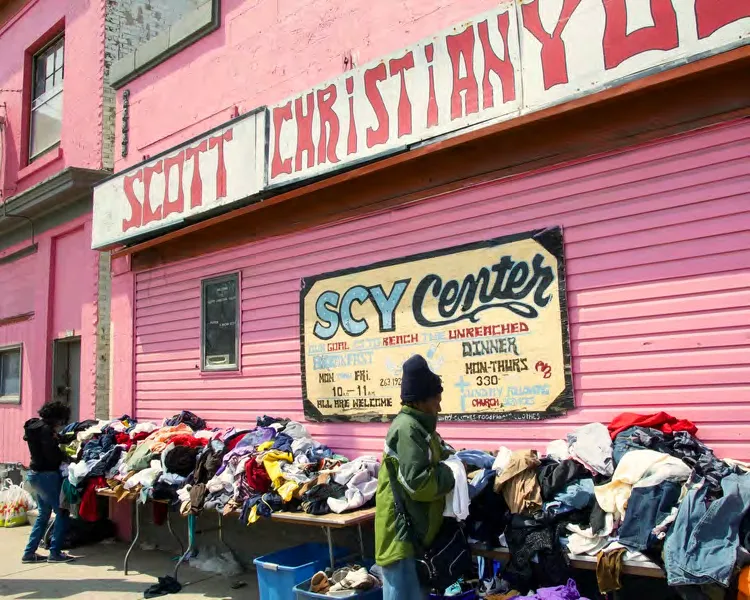
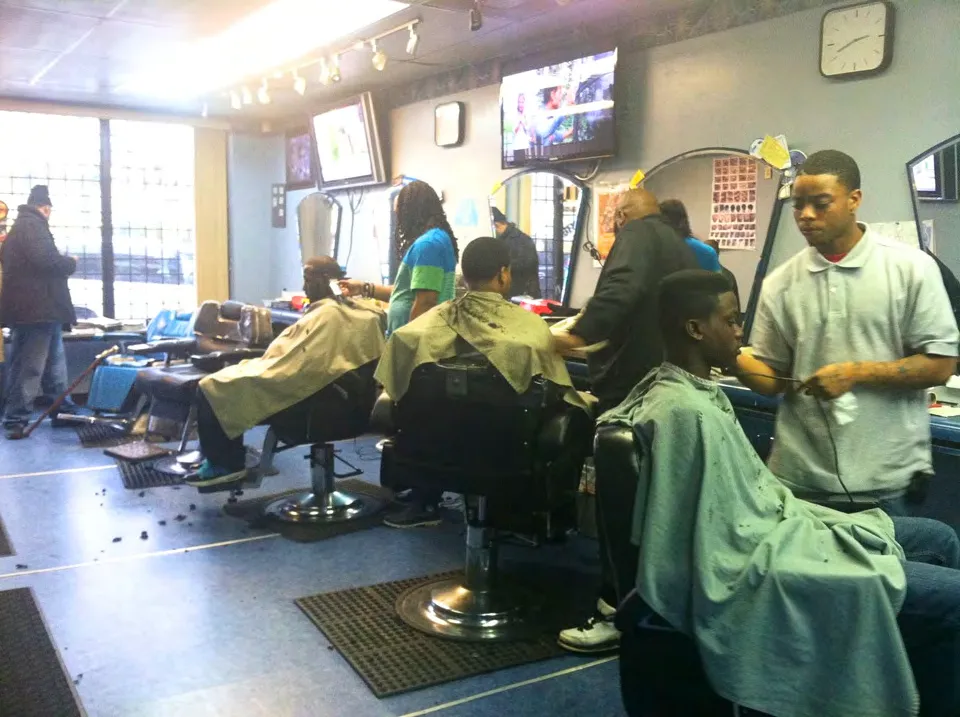
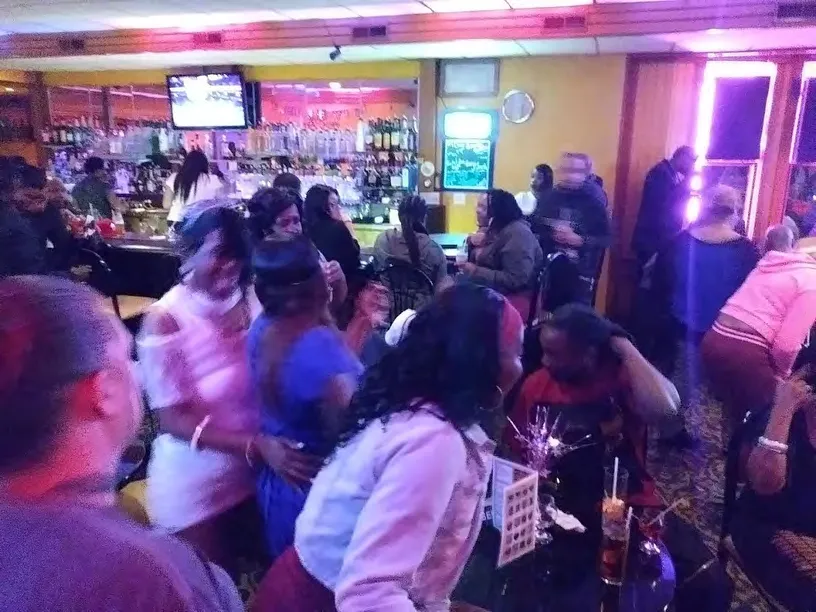
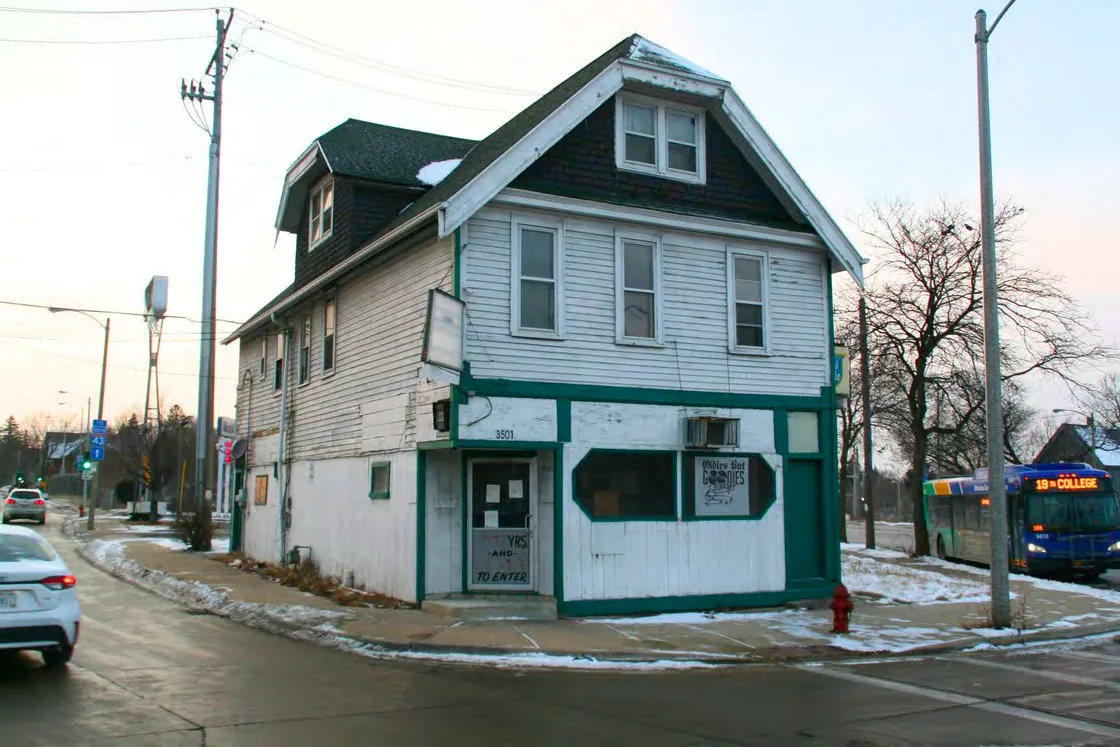
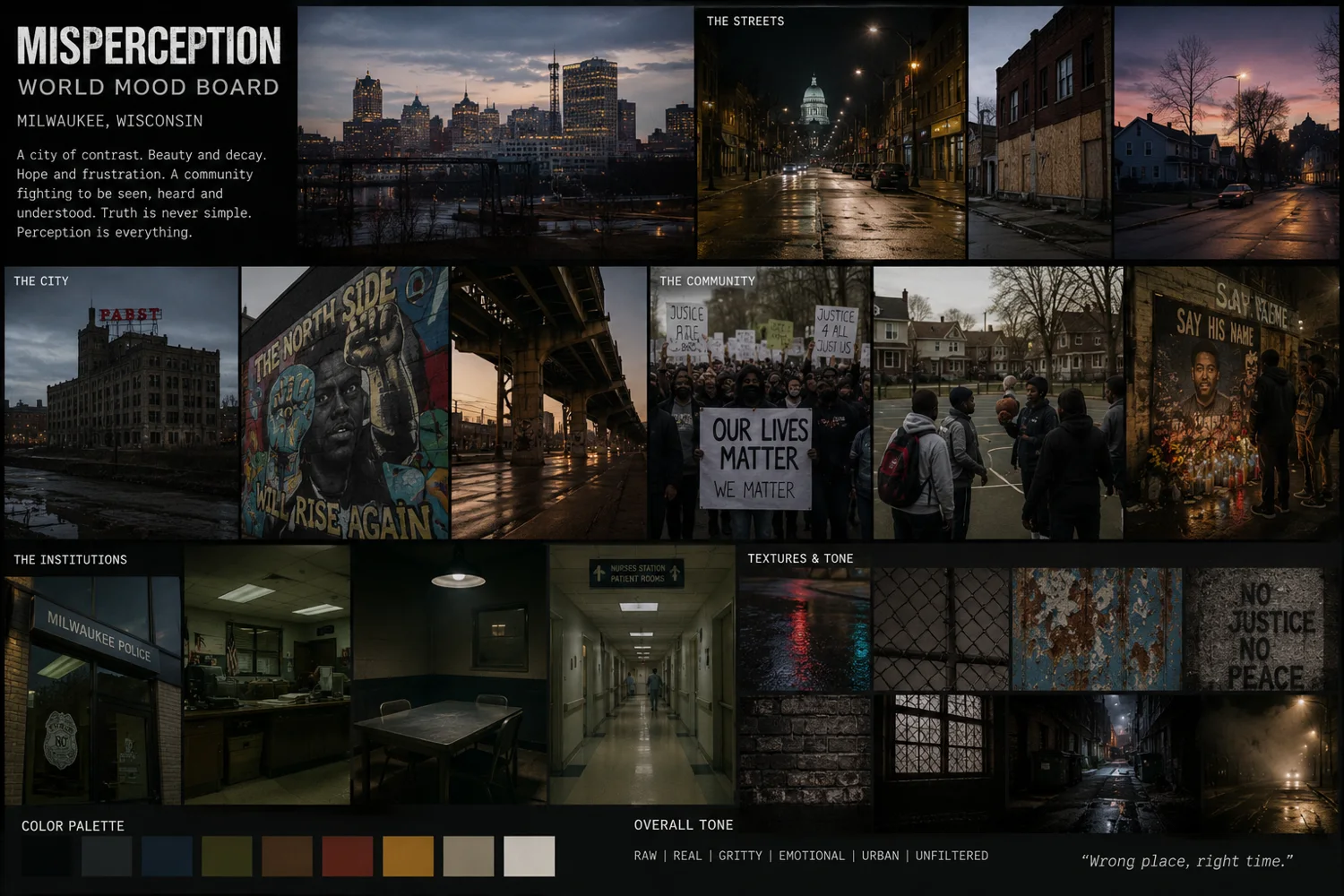
Milwaukee's Northside isn't a backdrop—it's a character. The series lives inside a neighborhood squeezed between street violence and police overreach, where a stolen truck, a turf debt, and a teenager's bad afternoon can detonate an entire season.
We are living through a national reckoning on policing, justice, and who deserves a second chance.
From George Floyd to Tyre Nichols, America continues to grapple with policing. Misperception enters this dialogue not with easy answers, but with nuanced characters on every side of the badge.
A new generation demands to be heard. Quantrel represents millions of young people navigating systems that weren't built for them—and audiences want to see their stories centered.
Audiences crave shows with substance. The Wire, When They See Us, Snowfall—the most celebrated dramas of our era interrogate America's fault lines. Misperception continues that tradition.
While Chicago and Baltimore have been explored, Milwaukee's unique tensions—a majority-minority city with deep segregation and vibrant culture—remain untold on the prestige drama stage.

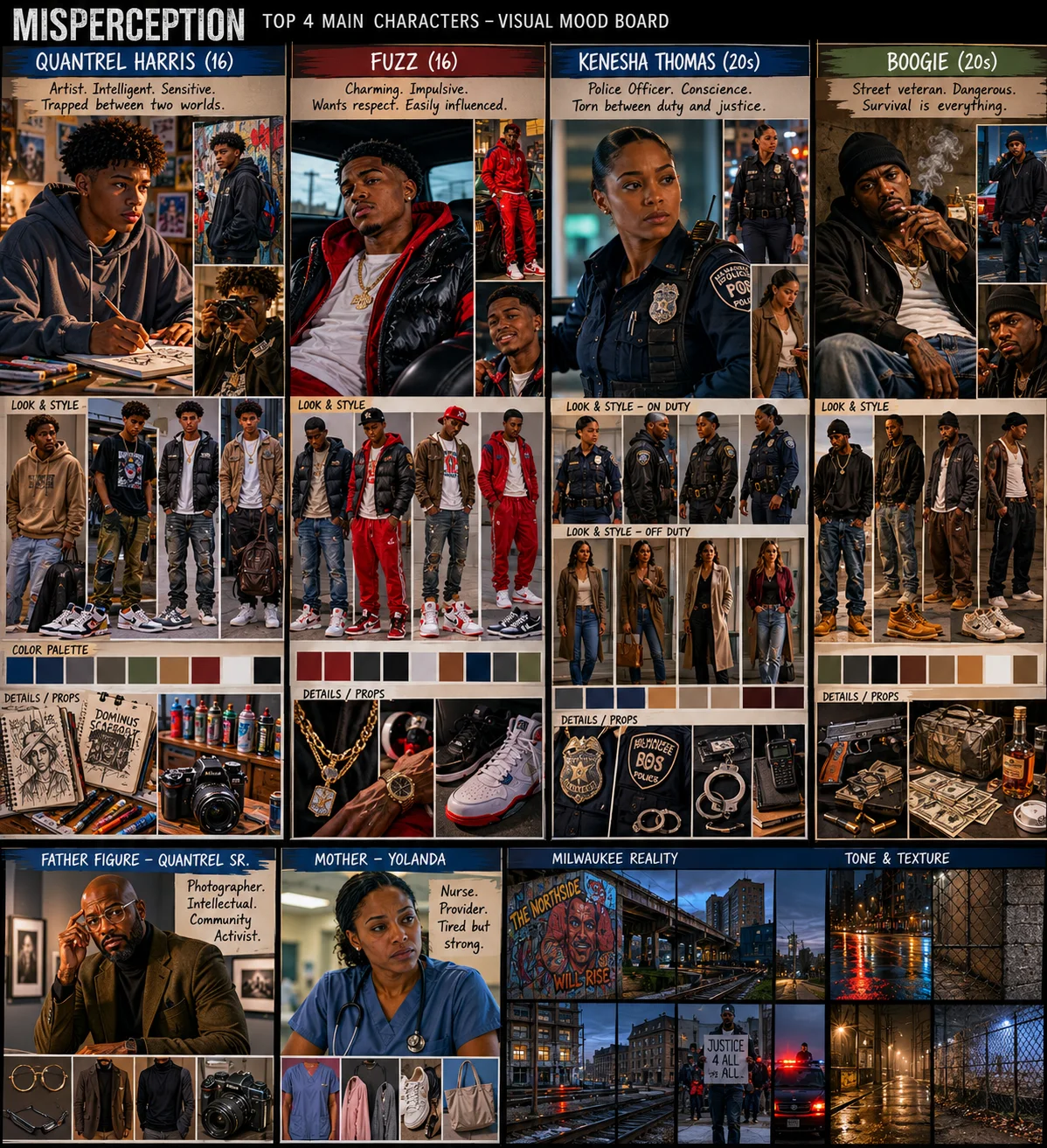
A gifted graffiti artist with a first-place trophy gathering dust and dreams well past his block, Quantrel Harris, Jr. walks a razor's edge between two worlds. His talent with a spray can echoes his father's legacy as a renowned photojournalist—both men driven to capture the truth their city would rather bury. When a ride he should have refused ends in a wrong-place, wrong-time arrest, Quantrel is funneled into the Police Aide Program: made to serve the very system his community distrusts, on the same streets starting to see him as a problem to solve. Then his first day on the job ends standing over his best friend's body—and the clock on his own survival starts to run.
Police Veteran
Twenty years on the force and a Police Aide graduate himself, Sadowski has already buried more than one of the kids he once mentored—which is exactly why he wants nothing to do with Quantrel. Worn thin by the job, a collapsing marriage, and a mother slipping away in hospice, he may be the only one who understands what's truly at stake.
Deputy District Attorney
Sharp, ambitious, and impossible to read, Kevin is the city's rising star—Deputy DA, the calm voice in every crisis, building a life with Officer Kenesha Thomas while quietly maneuvering toward real power. But he's a man searching the mirror for something he can't quite face, and the closer the season drifts toward the streets, the harder it gets to tell which side he's actually on.
Quantrel's Mentor
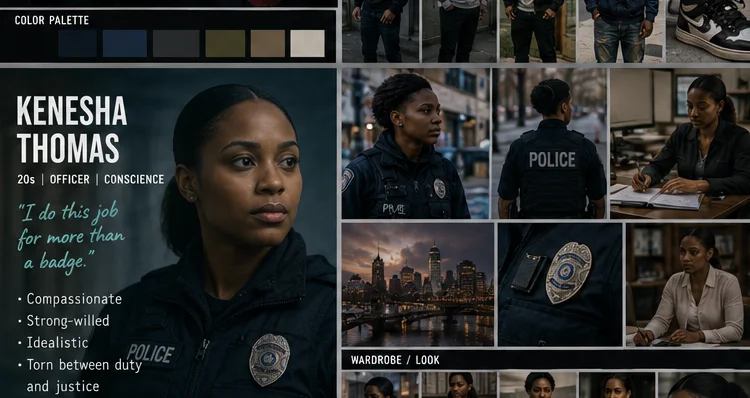
Idealistic and unwilling to look away, Kenesha joined the force to become the change she never saw growing up—and she's at war with a department that keeps calling her naïve. She volunteers to mentor Quantrel when no one else will. She's also building a life with Deputy DA Kevin Grimes—the one corner of her world she's sure of.
Cast listed below is attached in principle; final casting is subject to signed agreements and availability.
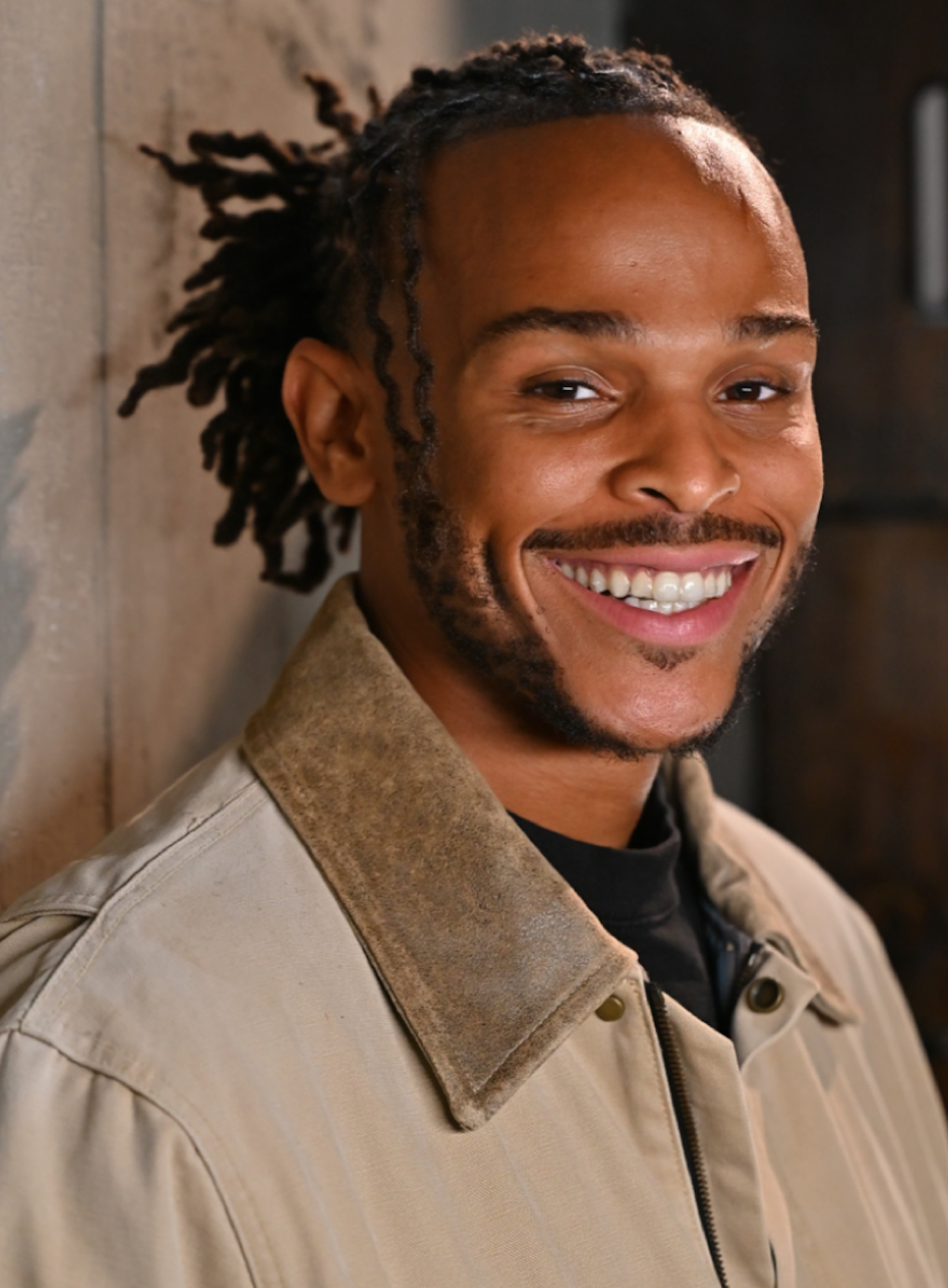
Steve-O
A multidisciplinary entertainer from Pomona, California, Terayle Hill is an actor, director, producer, and recording artist. He earned his BA in Television and Film from Clark Atlanta University before establishing himself across film, television, music, and theater.
He is best known for his work on Step Up (Starz), Judas and the Black Messiah, Cobra Kai, and Block Party. In summer 2022, he made his theater debut as Emmett in the world premiere of Lambs to Slaughter at Cherry Lane Theater in New York City. He is also a writer and performer, with original music featured in Step Up on Starz.
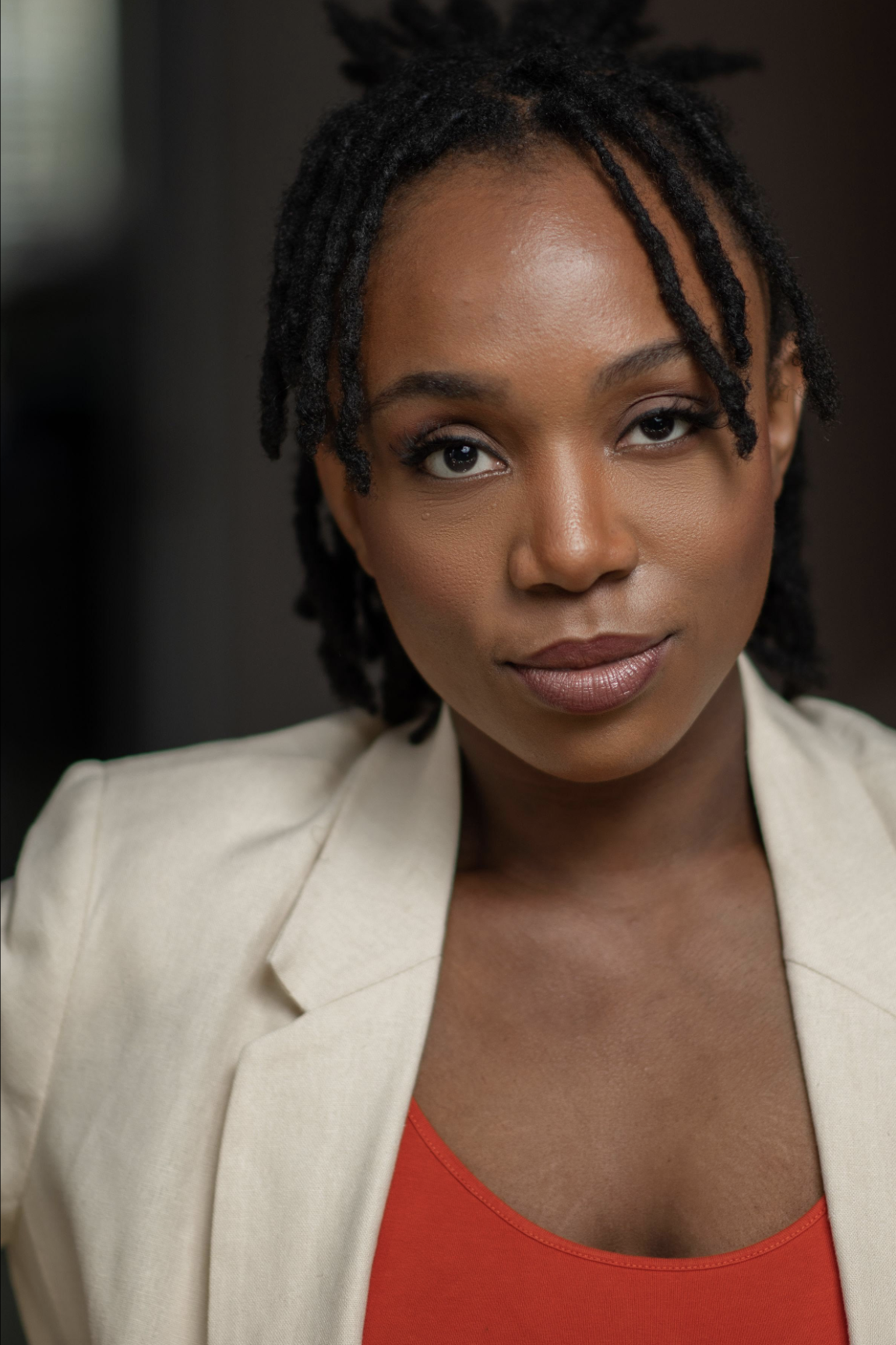
Officer Kenesha Thomas
Indya Bussey is a rising actress with a growing presence across prestige television and film. Her breakout came with six episodes of Marvel's The Falcon and the Winter Soldier, where she played DeeDee — marking her as one to watch in the industry.
Her additional credits include P-Valley, All the Queen's Men, Will Trent, and Law & Order: SVU. She is currently in post-production on Takeover, continuing a steady rise across both drama and action.
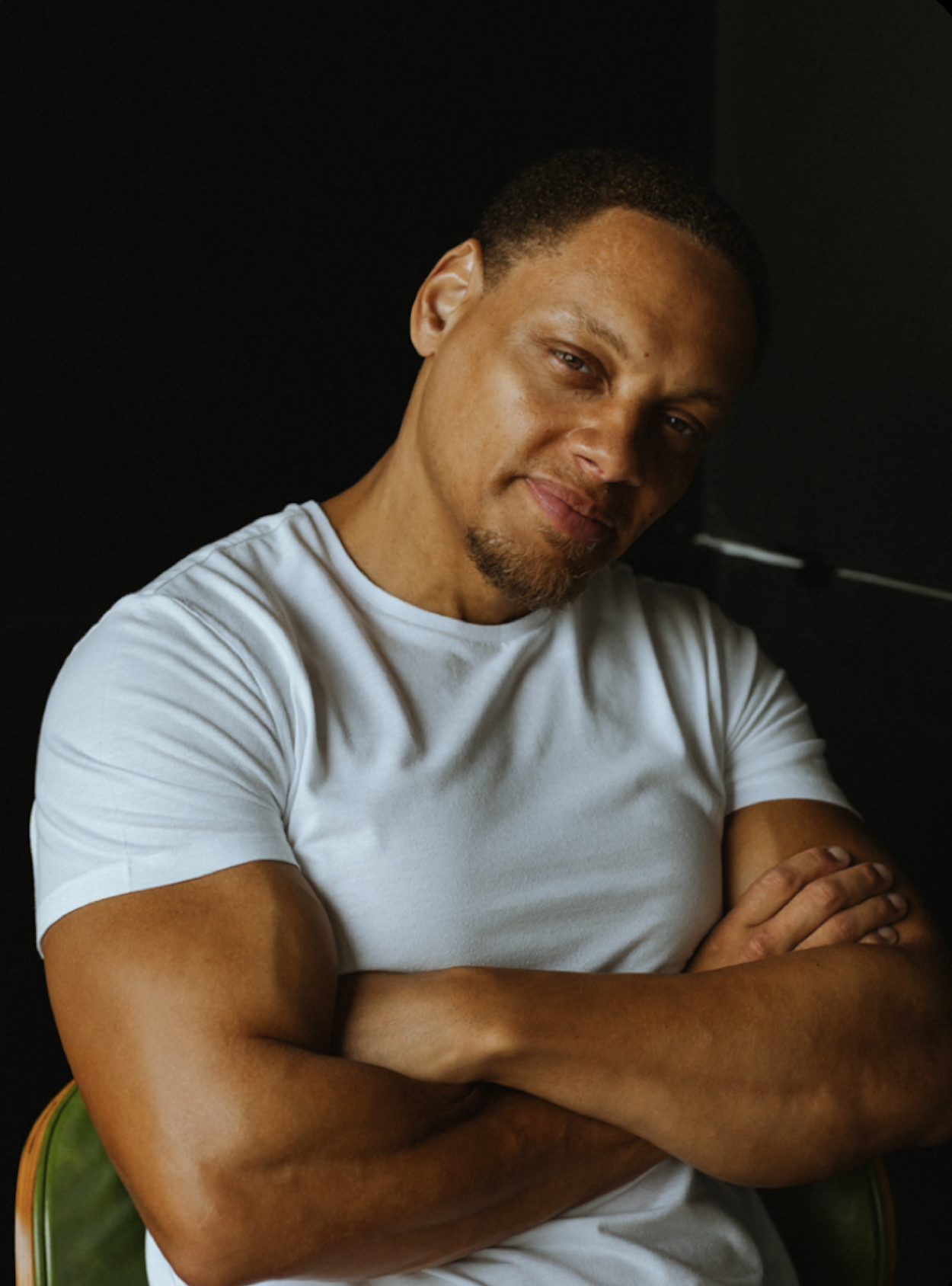
Quantrel Harris Sr.
Zeus Luby is a versatile actor with a diverse body of work spanning film, television, and shorts. His film credits include the acclaimed Brian Banks (2018), and he has appeared in series including Mogul and Hard Drive.
With four projects currently in post-production or filming — including The First Holiday, Soul Searchin, F-Boy Free, and Charm School Chronicles — Zeus arrives at Misperception at a pivotal moment in a career clearly on the rise.
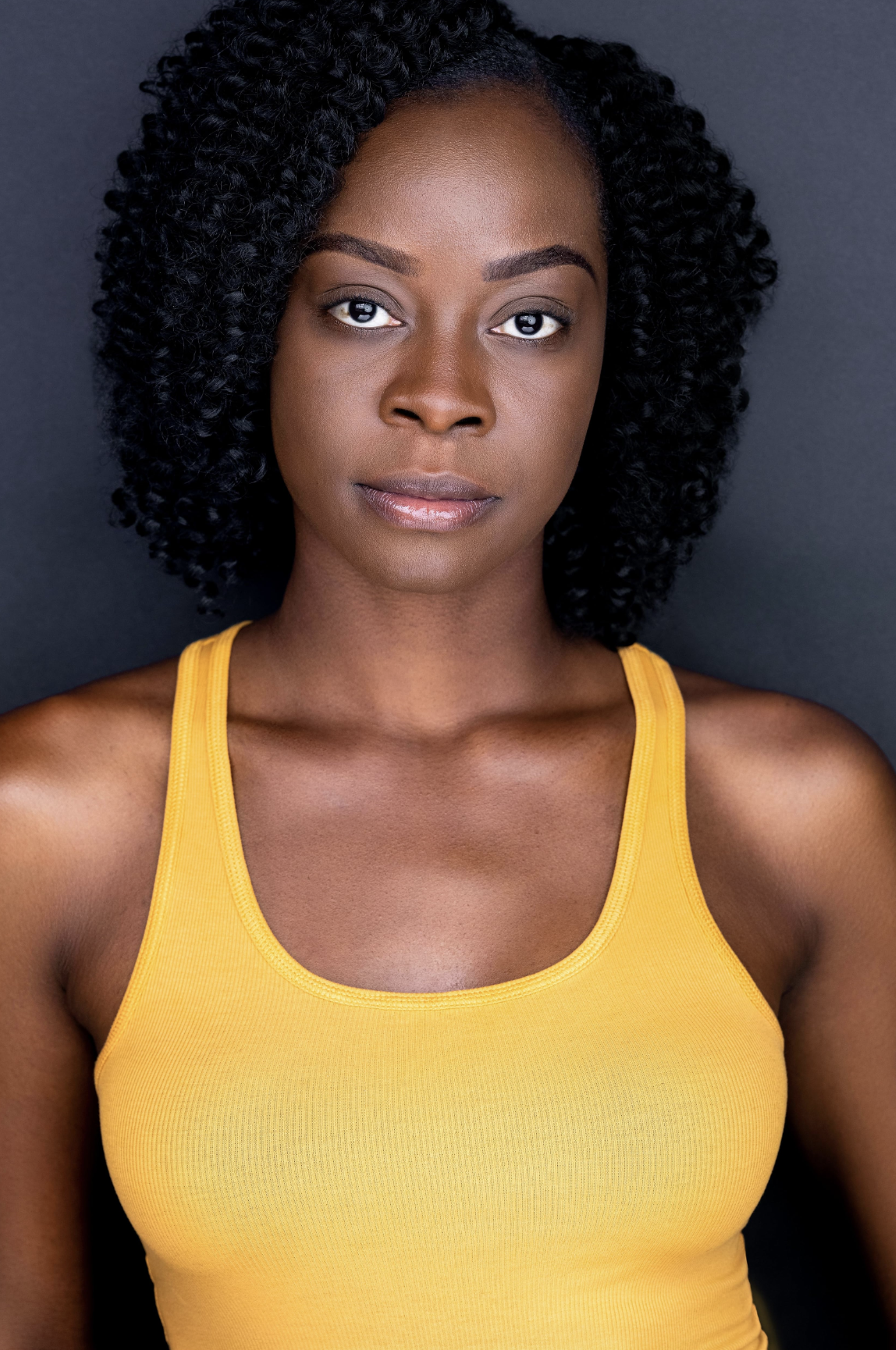
Yolanda
Isoken Obaseki is an actress with 25 credits spanning drama, comedy, and independent film. Her work includes Fatal Attraction, Social, Aaron & Kadeem, and Akata?, as well as a recurring presence in shorts and independent features where she consistently brings depth and nuance to her roles.
With a project currently completed and awaiting release, Isoken brings the warmth, complexity, and lived-in authenticity that the role of Yolanda — Quantrel's mother, a nurse holding her family together — demands.
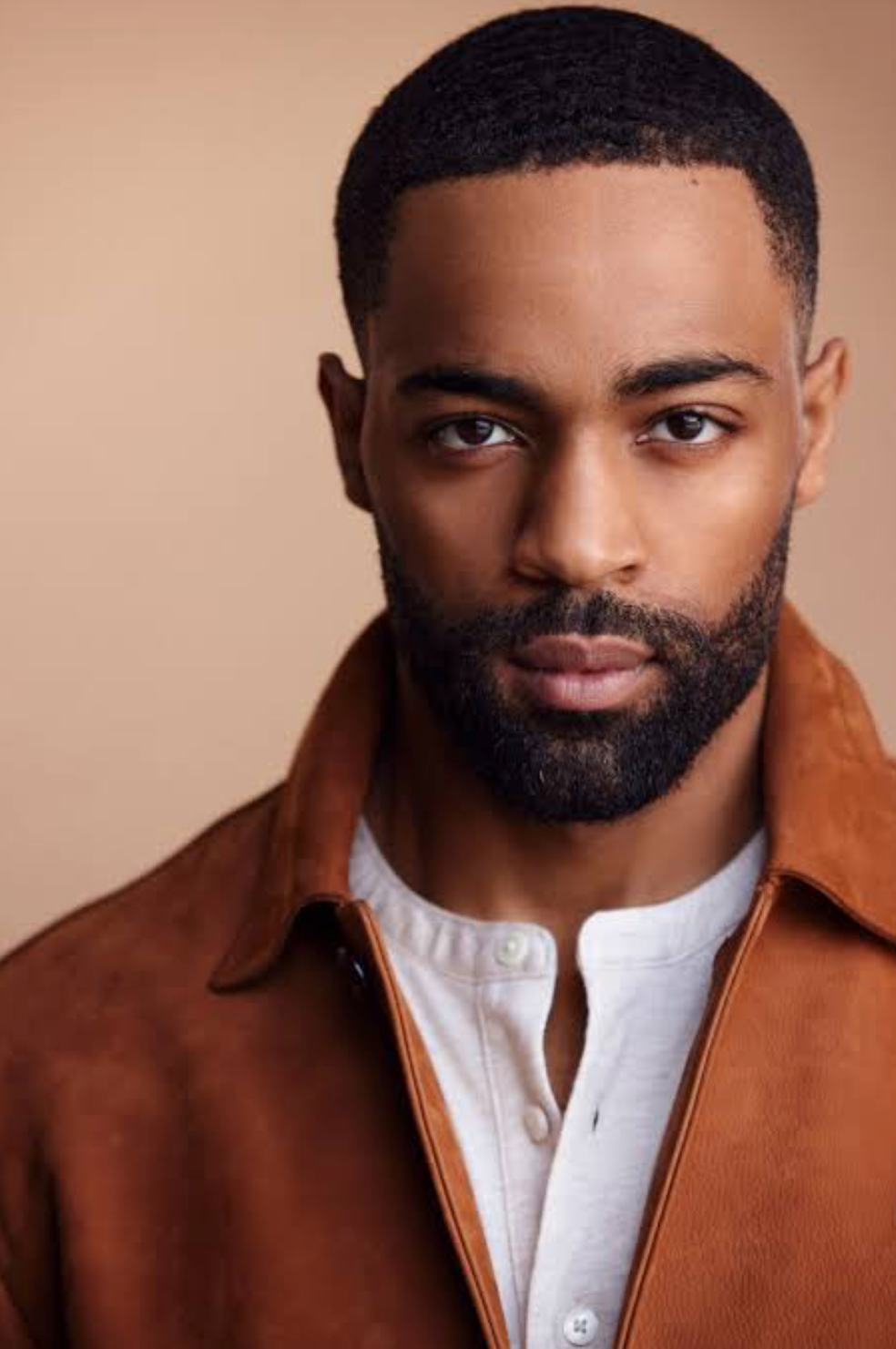
Deputy DA Kevin Grimes
Phillip Mullings Jr. is a film and television actor best known as Theo, Cal's eldest half-brother, in Netflix's First Kill, and as attorney Mike Alexander, a series regular on Tyler Perry's Bruh (BET+). He also had a recurring role as an LAPD detective in BET's American Soul.
His credits also include Queen Sugar, David Makes Man, The Passage, Chad, and NCIS: New Orleans, along with the feature Five Feet Apart (2019). After playing a lawyer on Bruh, he now takes on Deputy District Attorney Kevin Grimes — the city's rising star, and one of the hardest men in Misperception to read.
Misperception blends the gritty, systemic examination of urban America found in The Wire with the intimate character-driven emotional storytelling of Friday Night Lights. The series explores the complex web of community, family, and institutional forces that shape a young Black man's journey.
Cinematic and grounded. Handheld intimacy meets sweeping urban landscapes. Night photography that captures the beauty and tension of city life. Inspired by photographer Saul Leiter.
Dramatic with moments of levity. Unflinching but hopeful. Character-driven with propulsive plotting.
Original music by hip-hop legends Lost Boyz and Solo Artist Saxx. Contemporary score blending orchestral tension with urban rhythms. Authentic soundscape of the streets.
The soundtrack for Misperception will be produced by the legendary hip-hop group Lost Boyz and Solo Artist Saxx, whose decades-long influence on the culture brings both authenticity and emotional depth to the series. Their signature ability to blend street narratives with soulful, melodic production makes them uniquely suited to capture the heart of Misperception.
Drawing from hip-hop, R&B, soul, gospel, and jazz, the soundtrack serves as an extension of the storytelling — each character carries a musical theme that reflects their personal struggles, triumphs, and perspective. As Misperception explores the ways people interpret the same events through different lenses, the music mirrors those shifting perspectives, moving seamlessly between tension and hope, tragedy and triumph, vulnerability and resilience. More than a soundtrack, the music becomes a character itself.
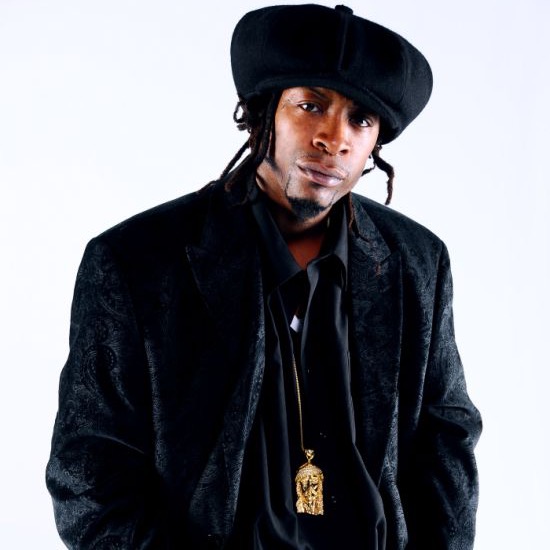
Music Composer · Leader, Lost Boyz
Terrance "Mr. Cheeks" Kelly is the frontman of the legendary Queens hip-hop group Lost Boyz, whose Gold-certified debut Legal Drug Money (1996) reached No. 6 on the Billboard 200 and delivered the era-defining classics "Renee," "Music Makes Me High," and "Jeeps, Lex Coups, Bimaz & Benz." Three decades on, the album remains a cornerstone of New York hip-hop.
As a solo artist, his smash "Lights, Camera, Action!" (2001) topped Billboard's R&B chart and climbed to No. 14 on the Hot 100. Now heading the WunderTwinz Records label, Mr. Cheeks brings three decades of culture-shaping craft to the sound of Misperception.
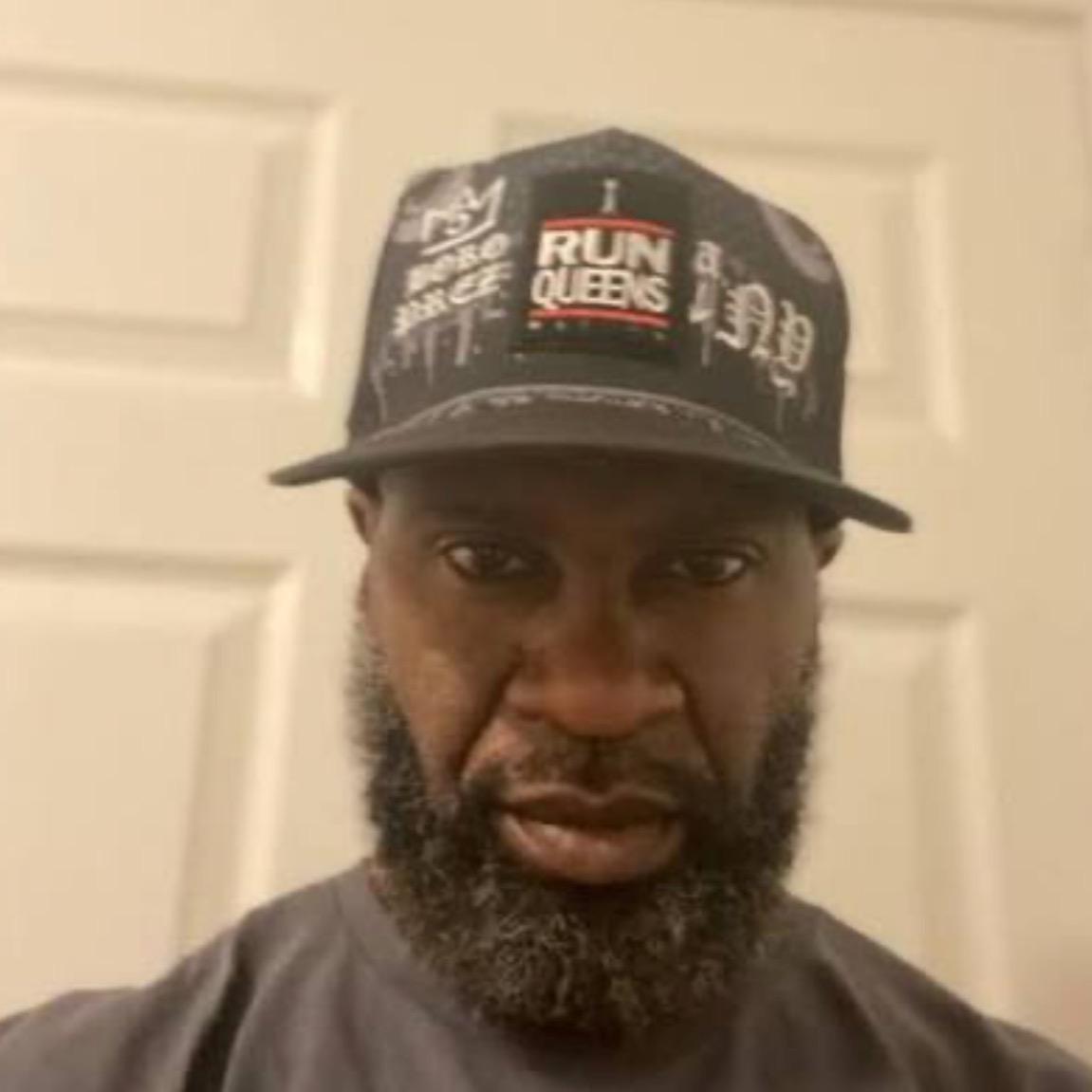
Music Composer · DJ, Lost Boyz
A founding member of Lost Boyz, DJ Spigg Nice built the sonic backbone of the group from its earliest days in South Jamaica, Queens — the turntables and production instincts behind Legal Drug Money (1996) and Love, Peace & Nappiness (1997), both Billboard hits.
Reunited with the group for Grand Scheme 12:26 (2020), Spigg brings decades of DJ craft and an ear for the raw, resilient sound of the streets to the Misperception soundtrack.
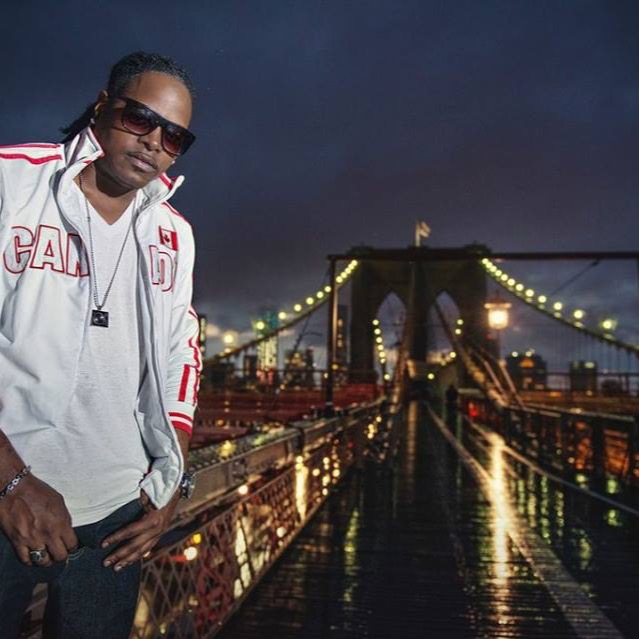
Music Composer · Recording Artist
Hip-hop artist, MC, and DJ, Solo Artist Saxx has collaborated with a multitude of hip-hop pioneers, DJs, producers, and executives throughout his career. He serves as CEO and A&R of 6.2 Entertainment S.A.M.E. Booking Agency and is signed with Mr. Cheeks under the WunderTwinz Records label.
His single "Blowin Up" has amassed more than three million organic streams and claimed the No. 1 streaming spot on the 2024 soundtrack for the film Slightly New. A fixture on the national touring circuit, Saxx brings a new-generation energy to the series' sound.
The composers won't just score the series — they'll appear in it. Lost Boyz and Saxx step in front of the camera in the pilot's cold open as the rival crew robbed at gunpoint — the debt that ignites Season One's turf war. And it's no cameo: the crew returns later in the season to take their revenge.
Adults 18-49
Fans of prestige drama who crave authentic storytelling about underrepresented communities.
Teens 16-24
Young audiences seeking relatable protagonists navigating complex moral landscapes.
The natural home for grounded, character-driven urban drama. In the lineage of Power and BMF, Starz continues to actively greenlight series in this exact lane. Its economics and brand identity make Misperception a direct mandate fit.
After When They See Us became a cultural phenomenon, Netflix has shown sustained commitment to socially resonant drama — with global reach and the broadest appetite for original, character-first storytelling.
The tonal successor to Snowfall. As FX's signature urban dramas conclude, the network has openly signaled a need for bold, culturally resonant new series — a natural creative home for prestige-grade material.
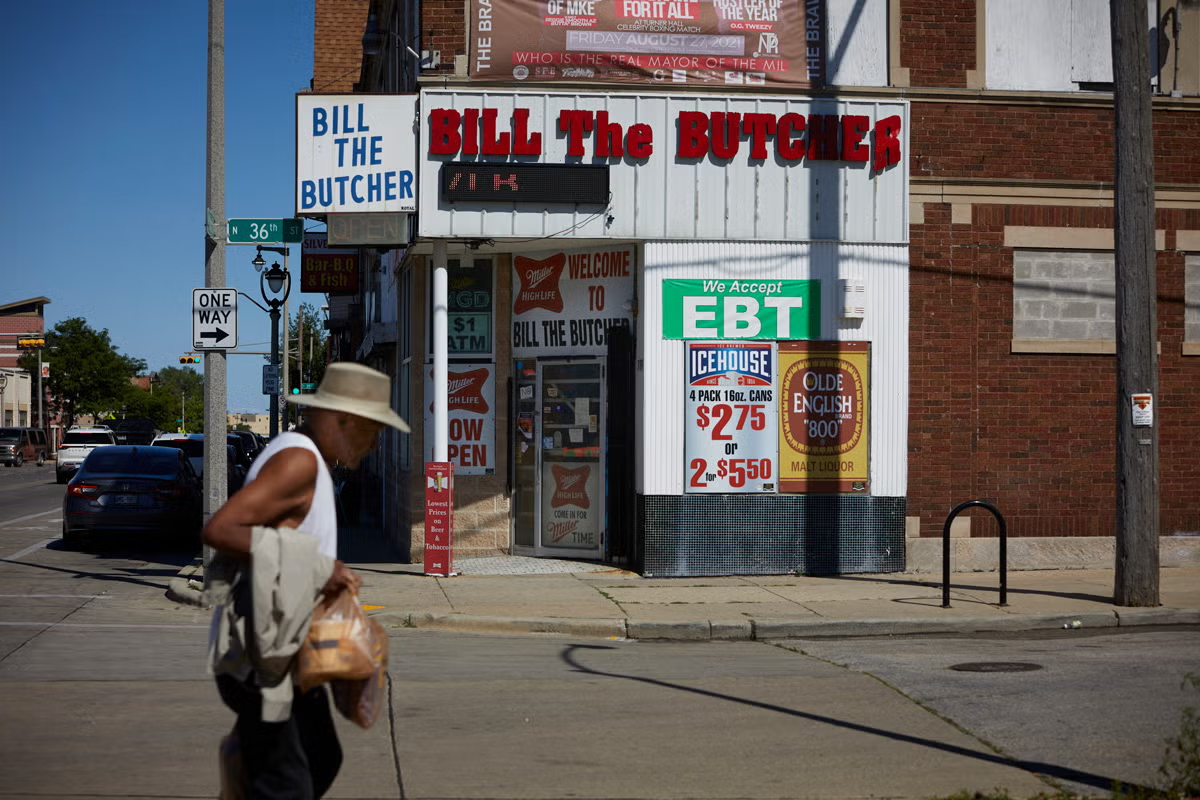
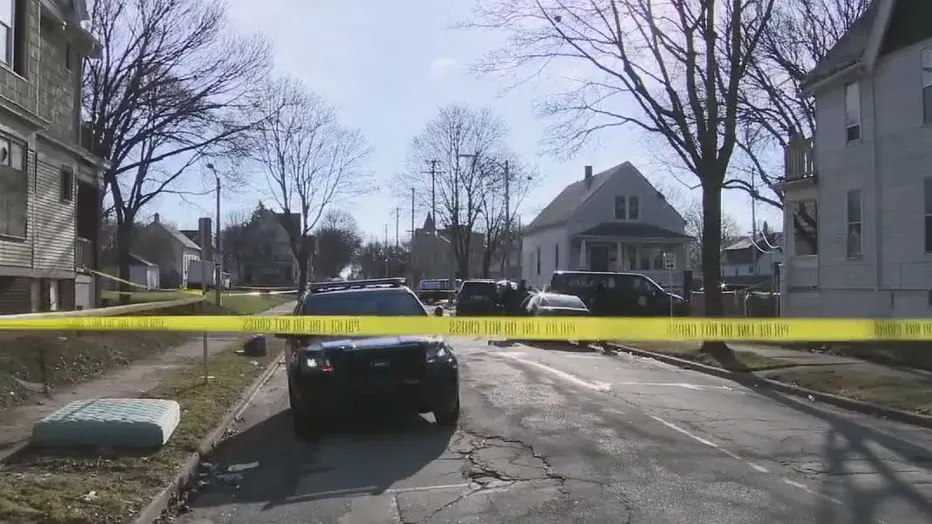
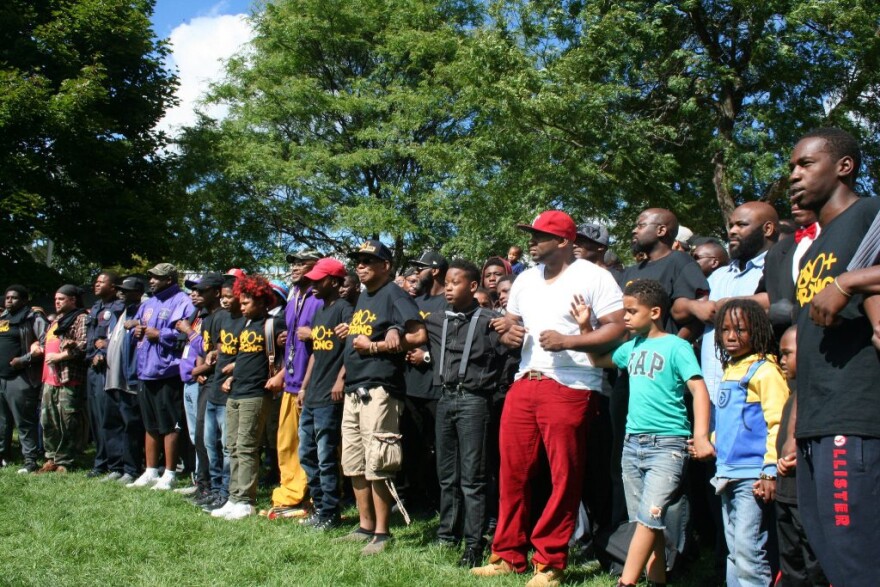
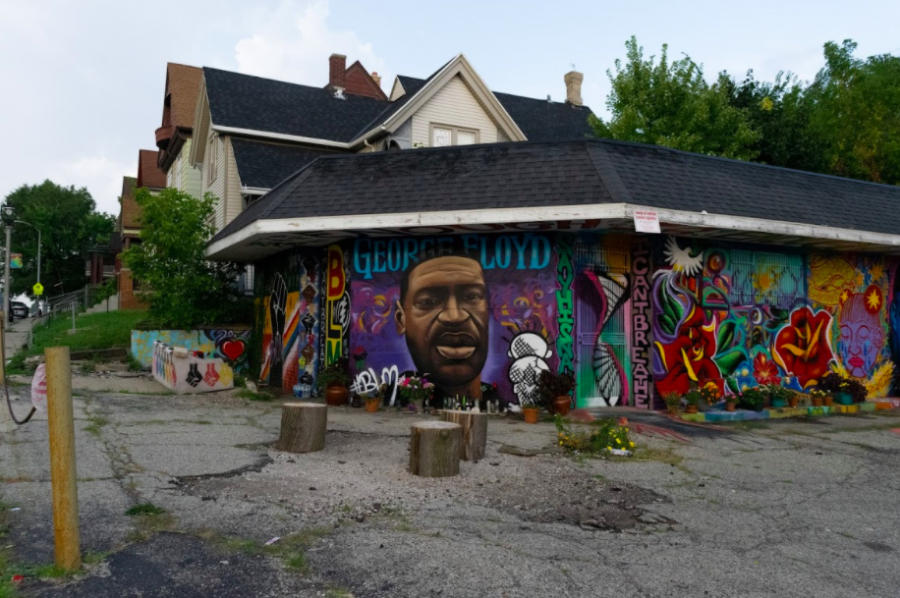
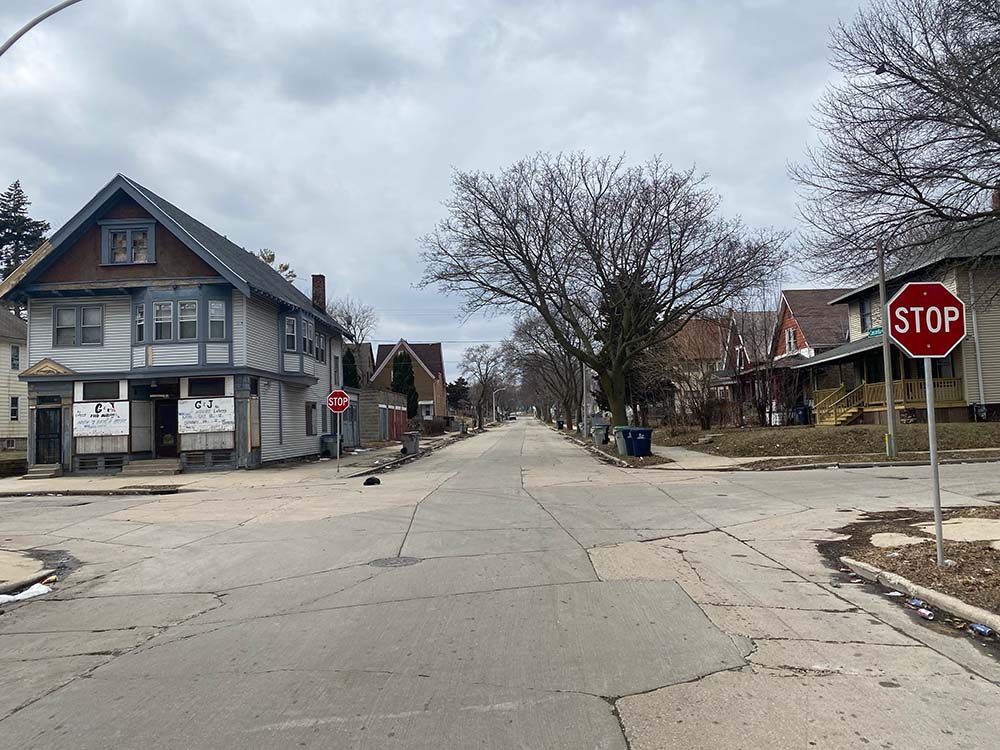
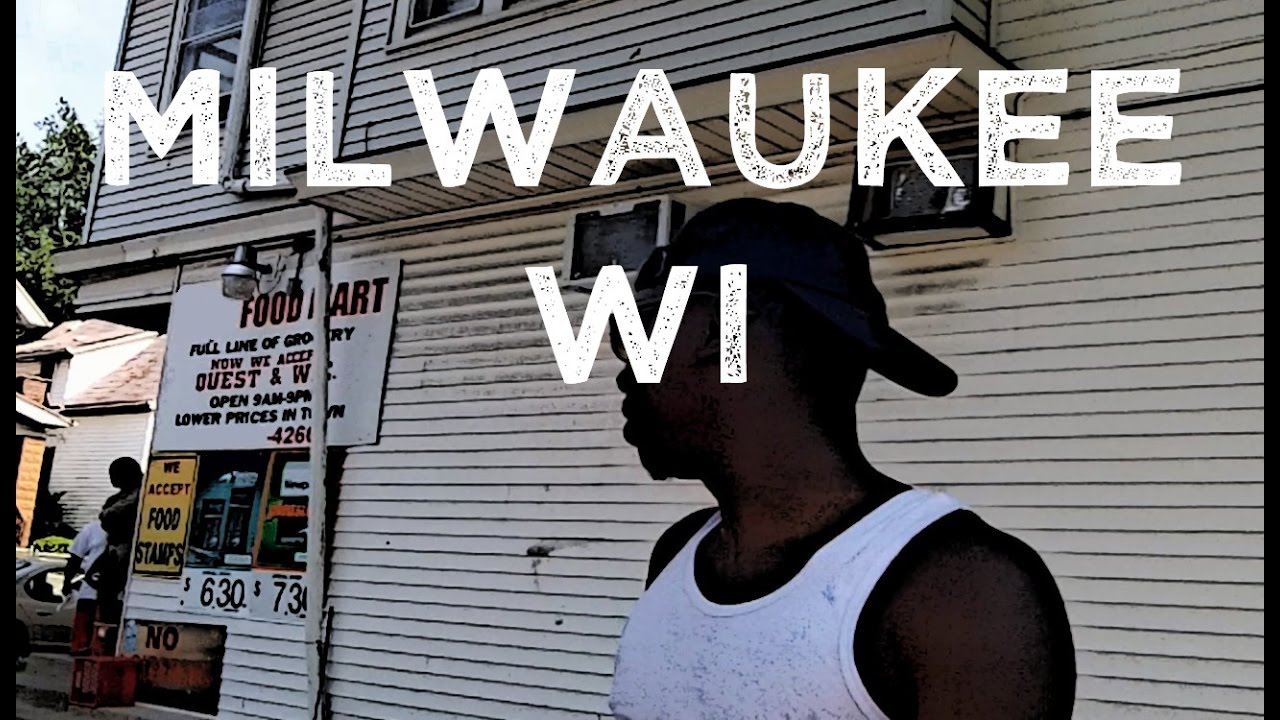
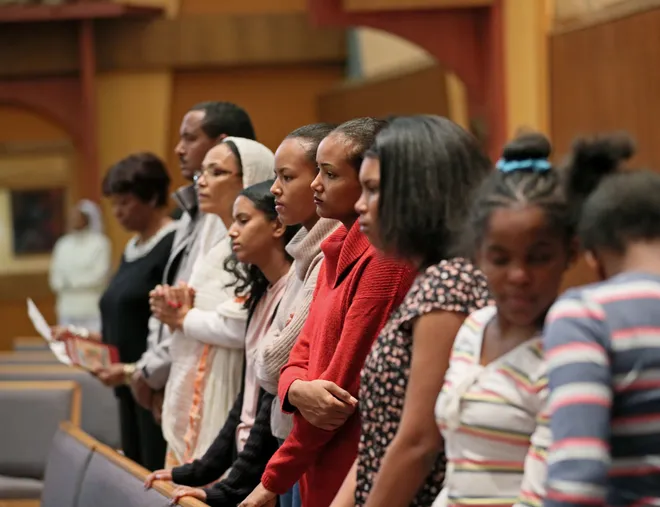
Production design by Aiyana Trotter — Production Designer
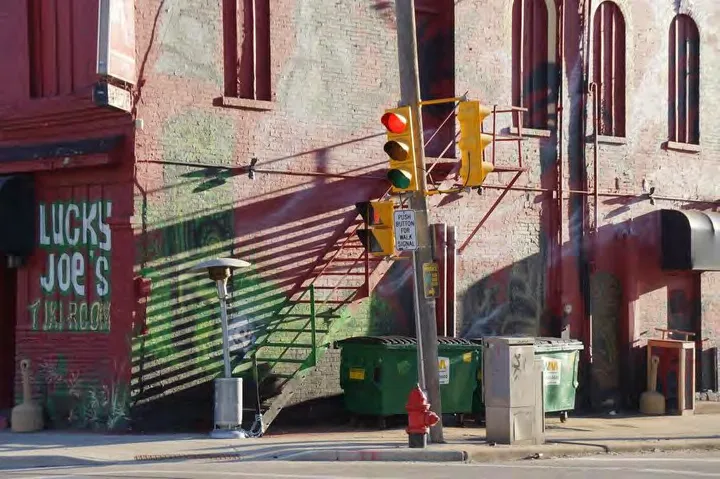
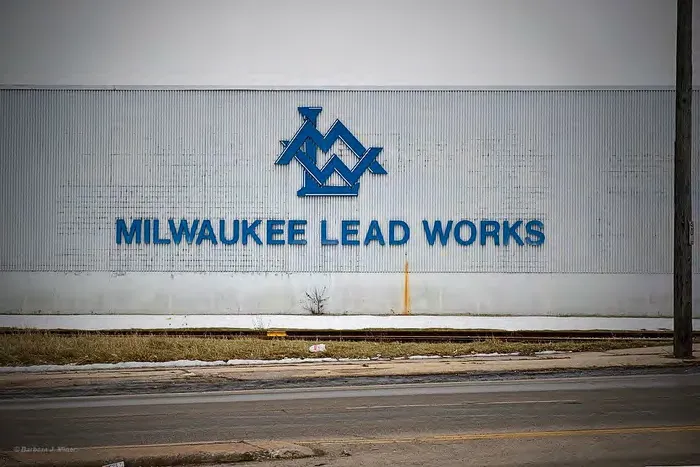
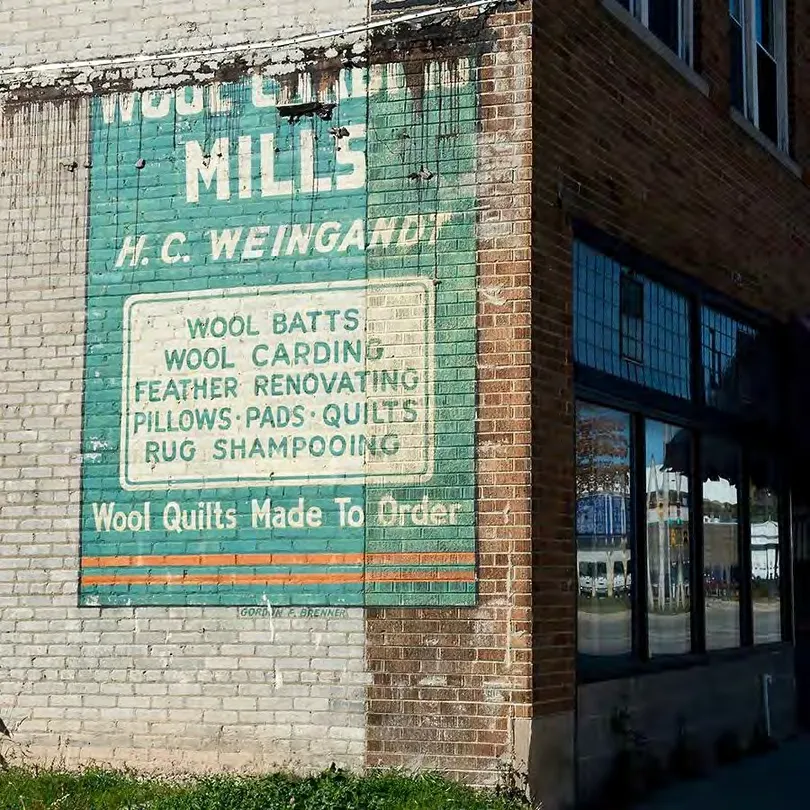
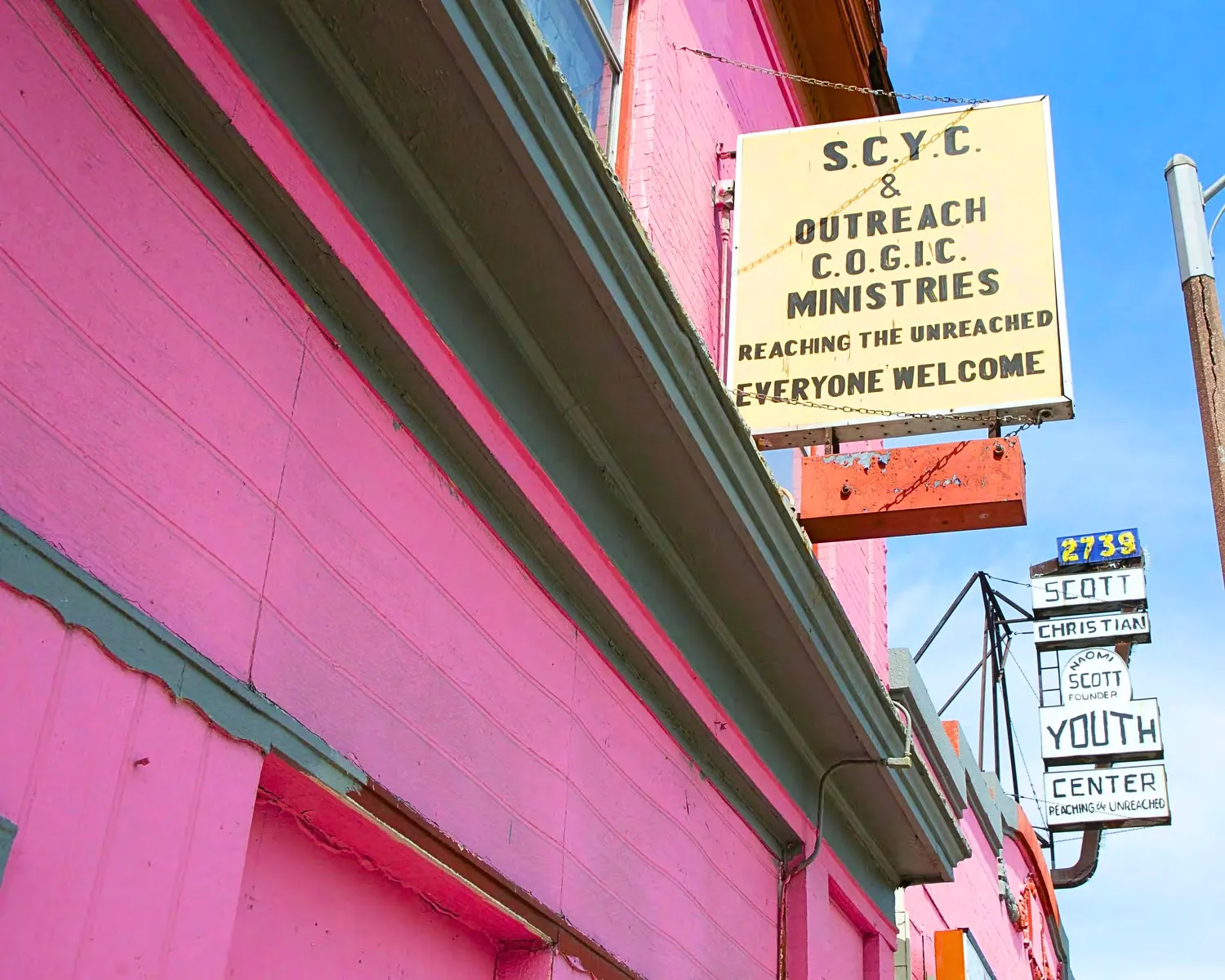
Every frame of Misperception is rooted in a real Milwaukee — its streets and corner stores, its churches, precincts, and porches. This is the world Quantrel moves through: scouted, photographed, and ready to shoot.

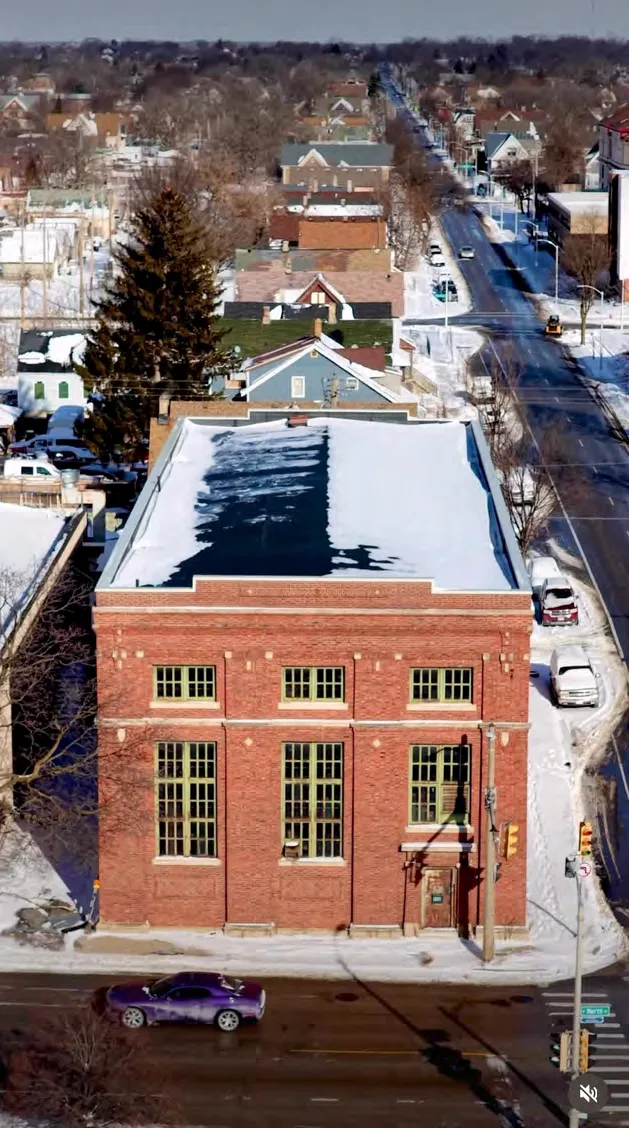
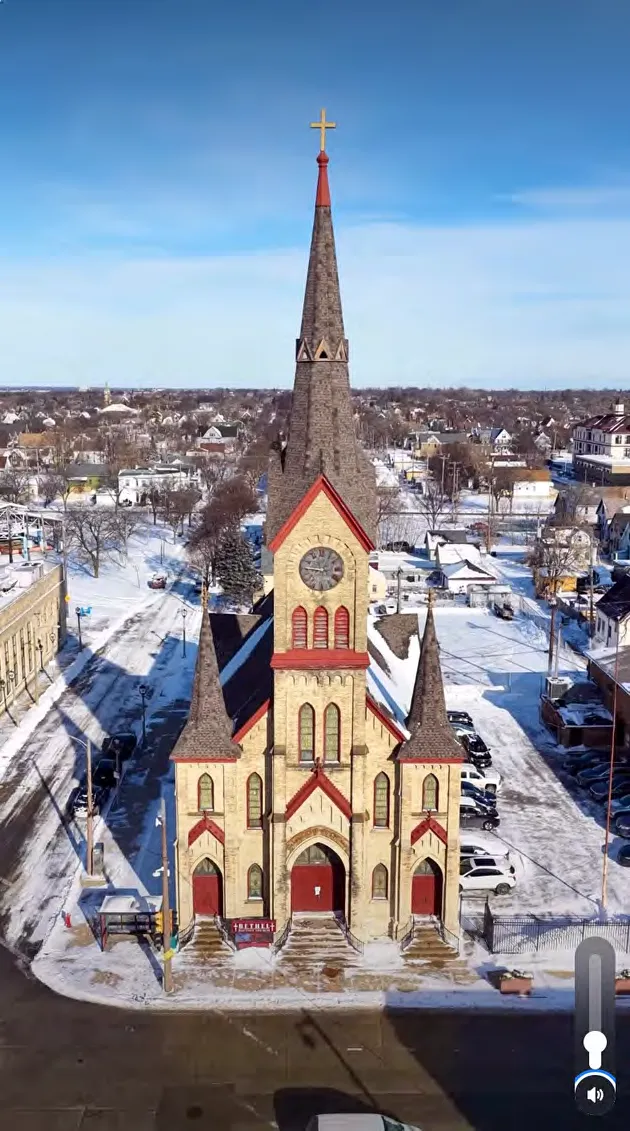
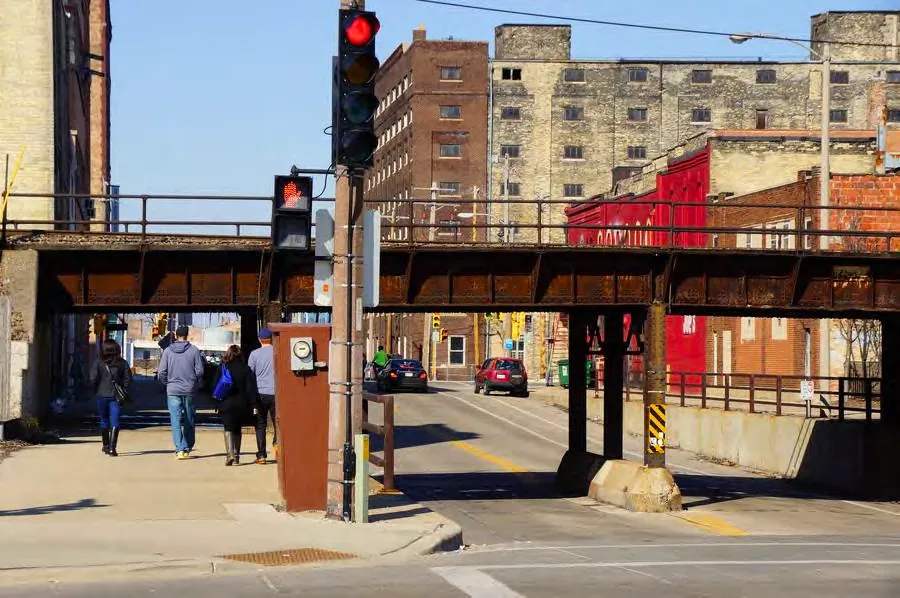
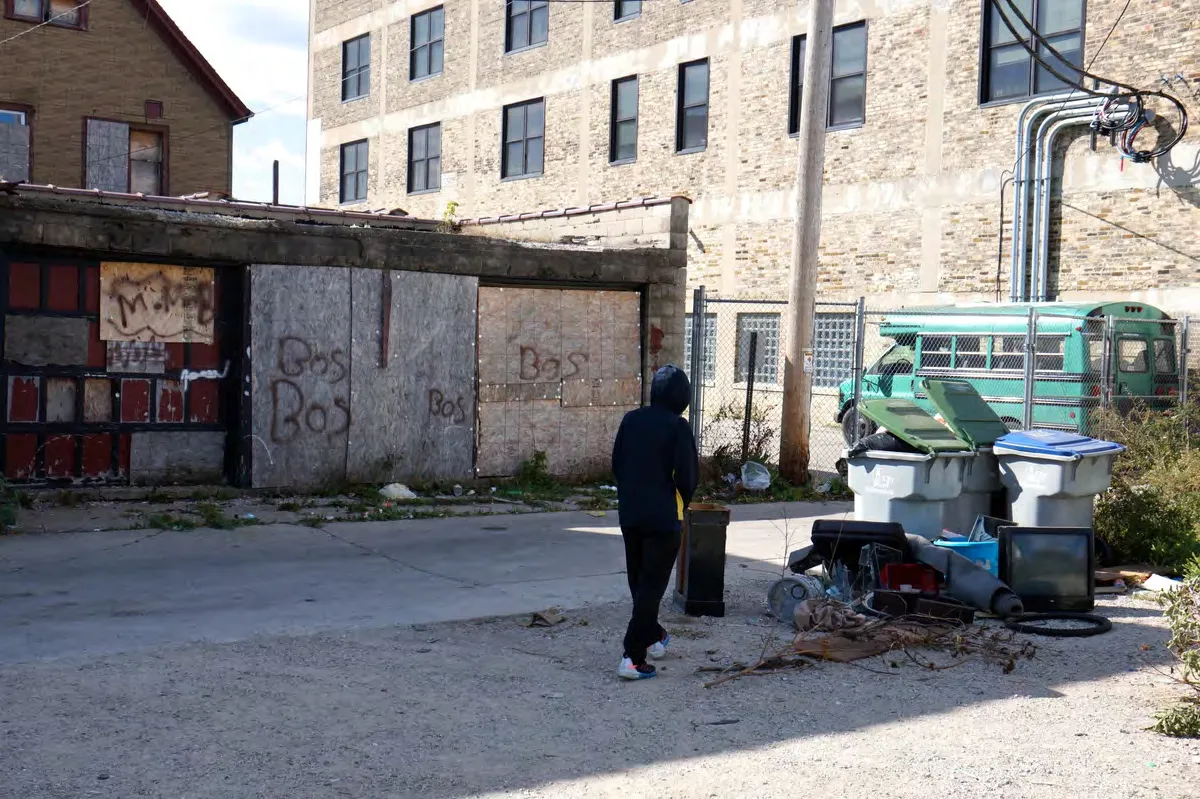
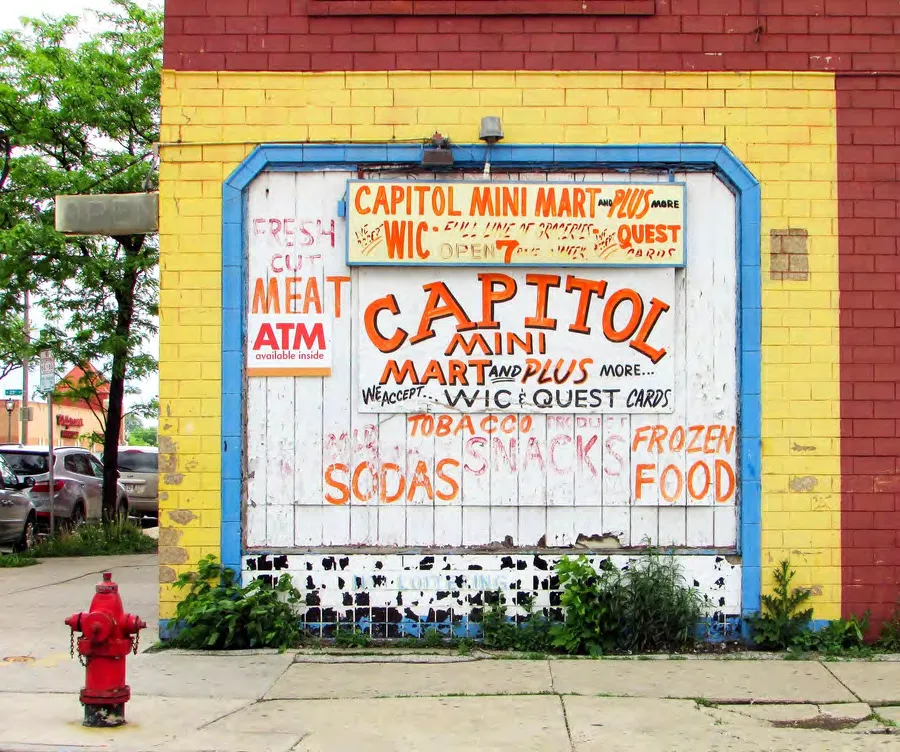
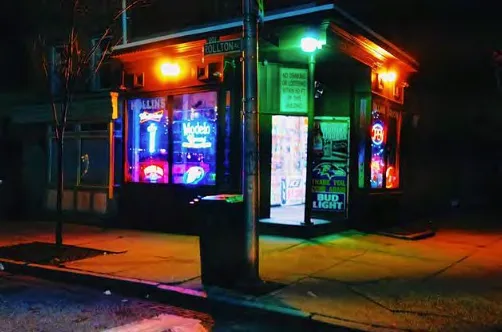
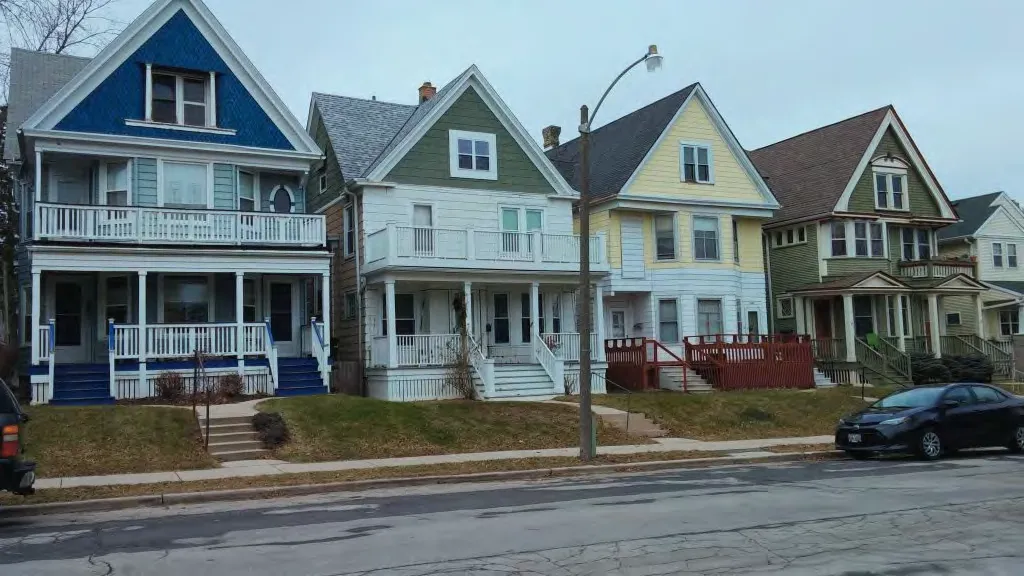
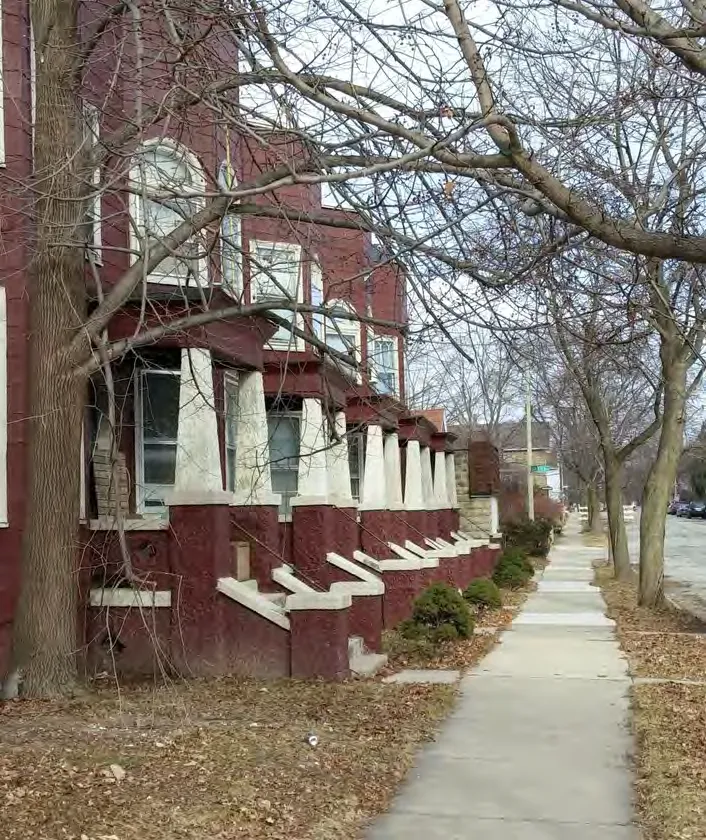
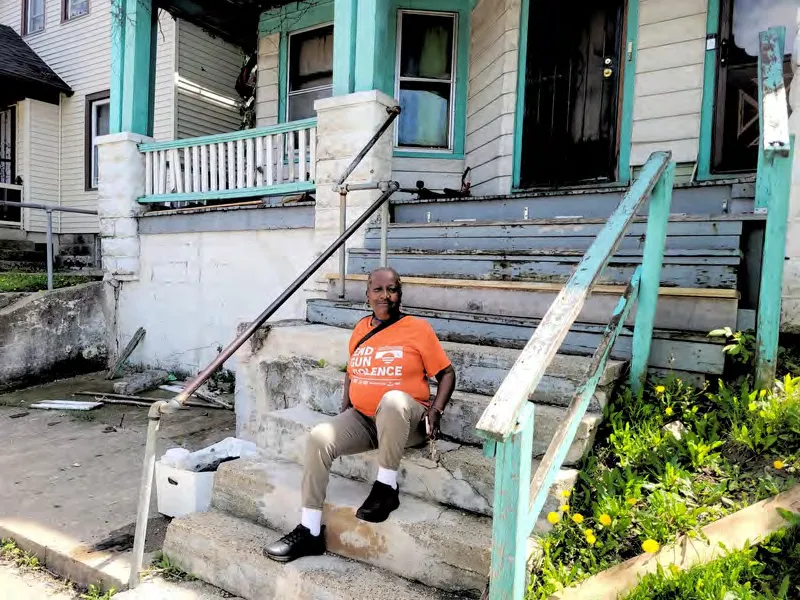
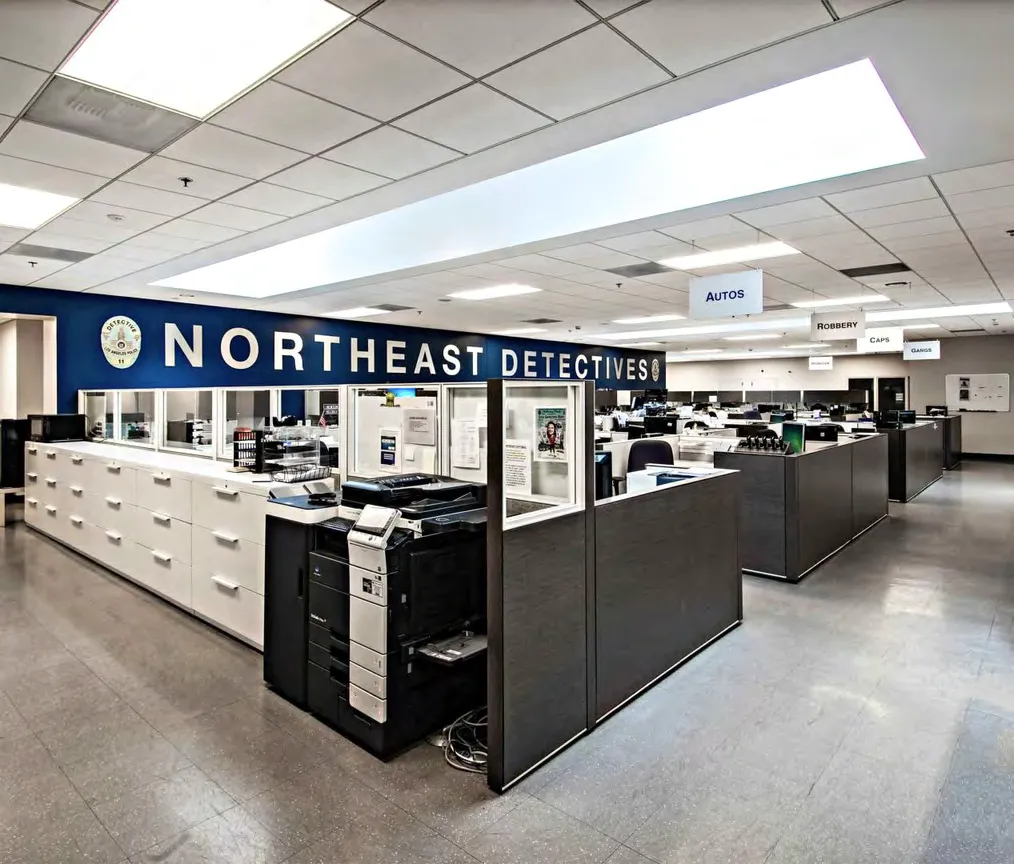
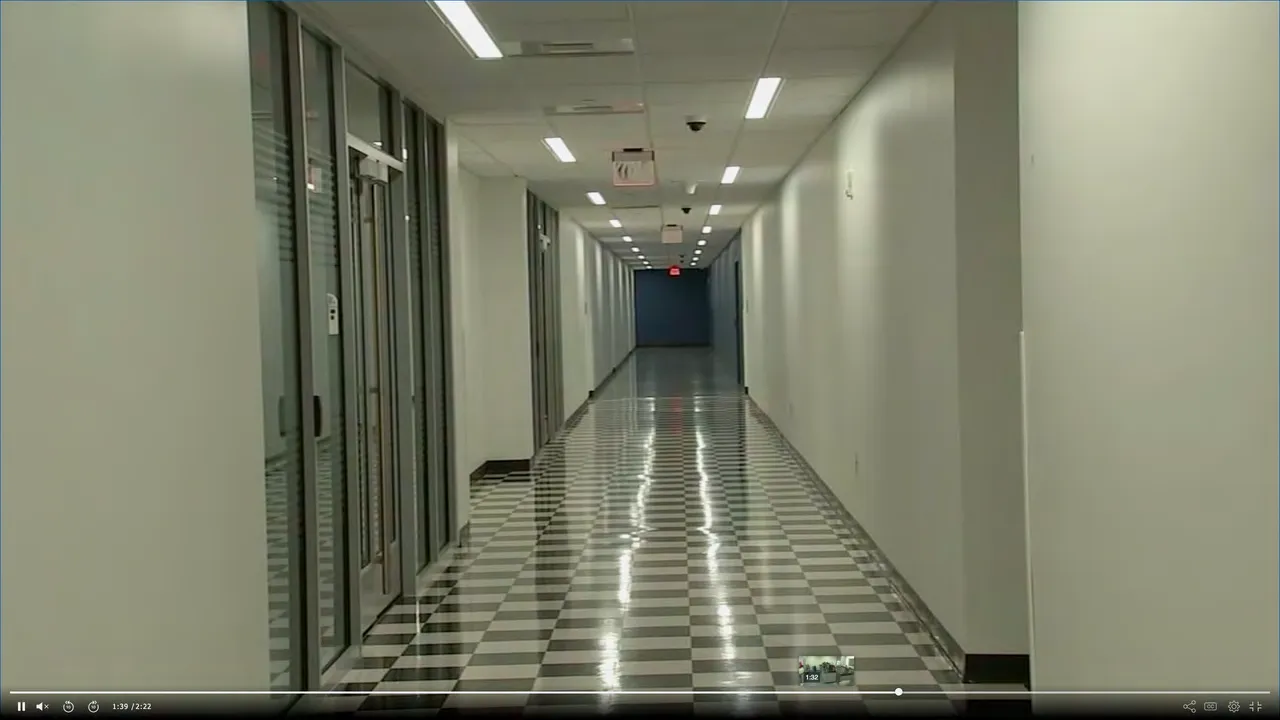
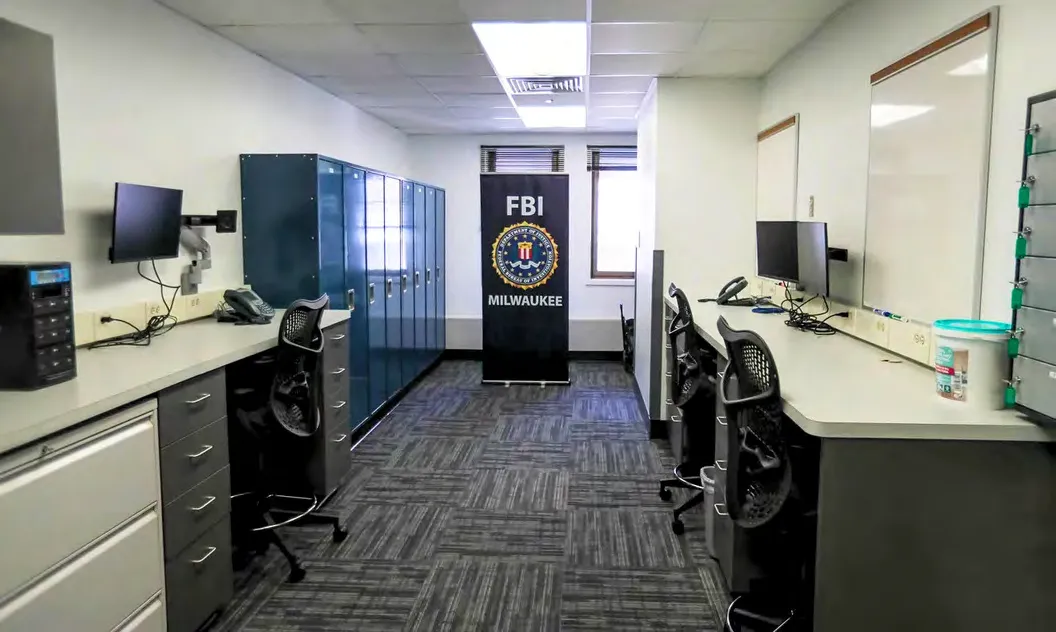
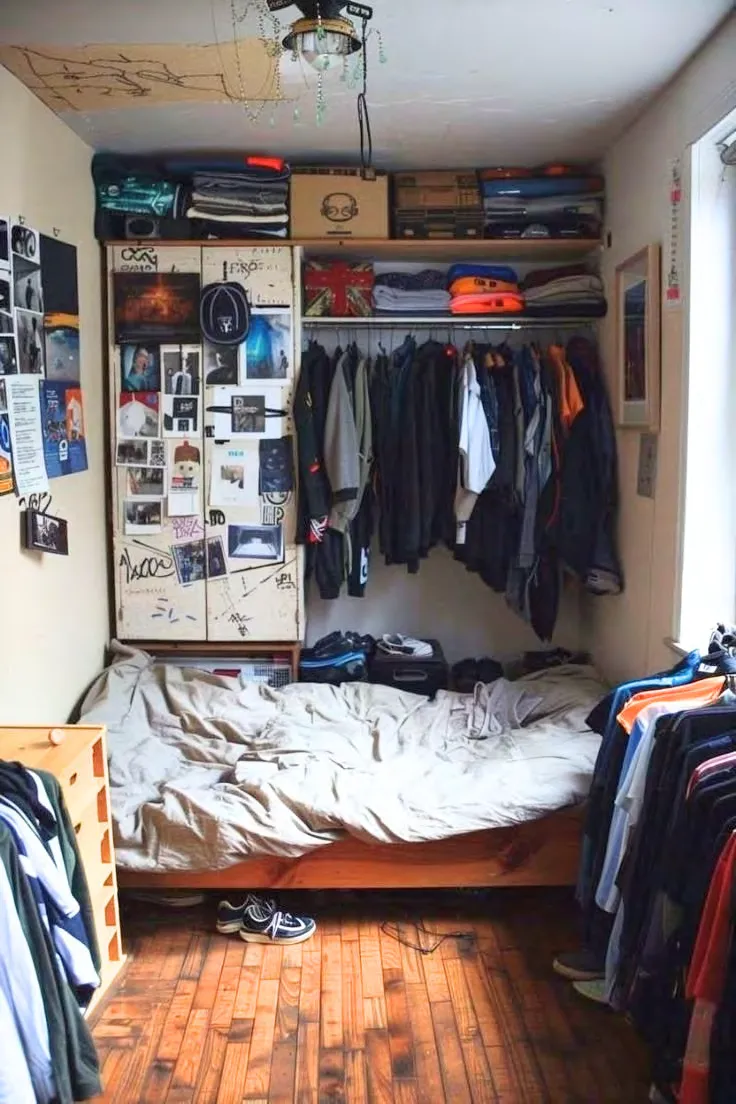
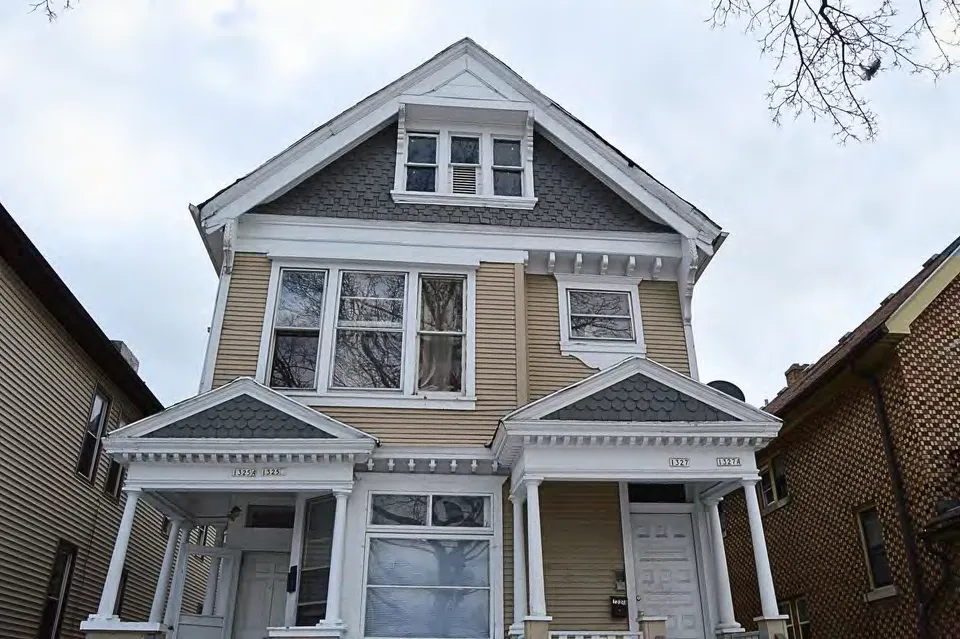
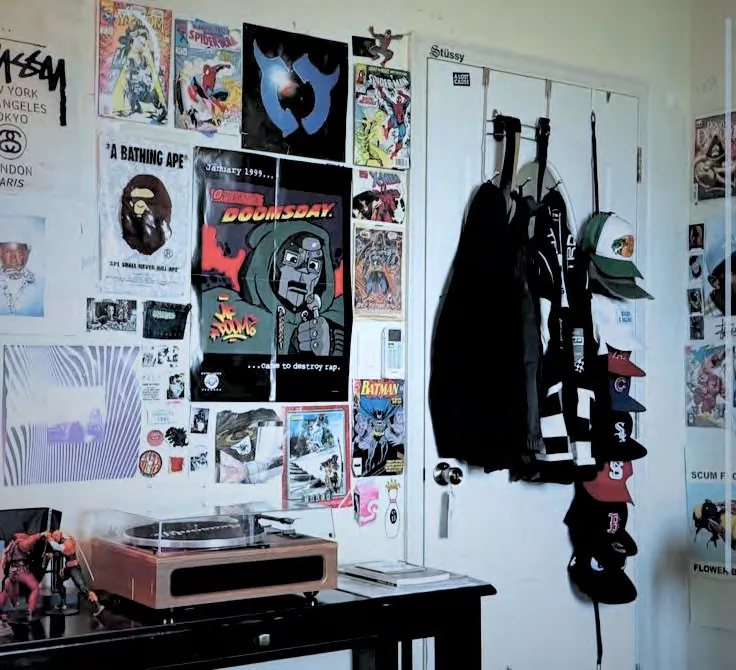
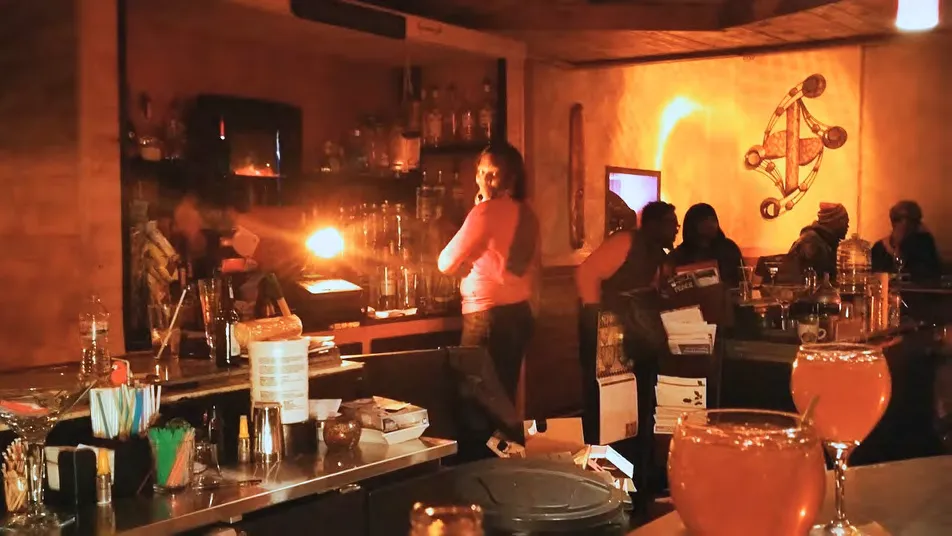
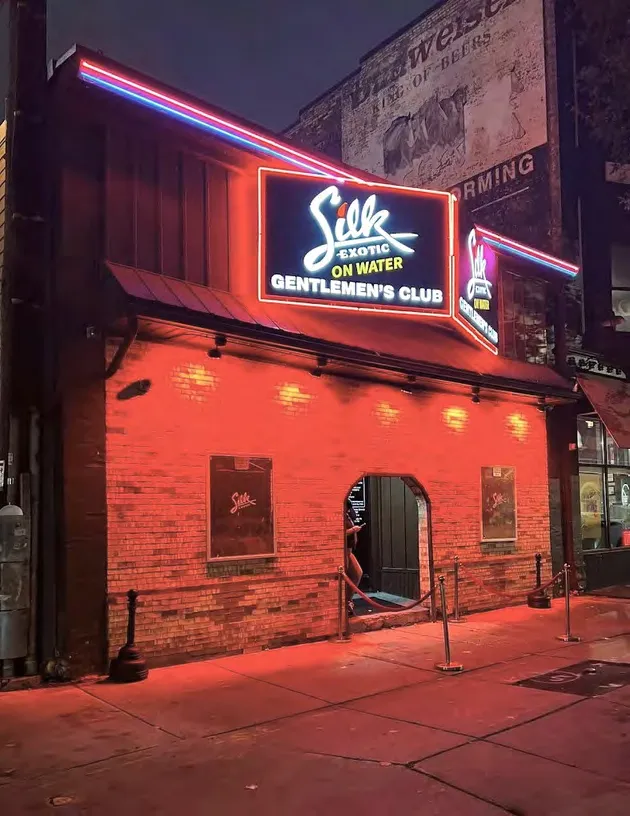
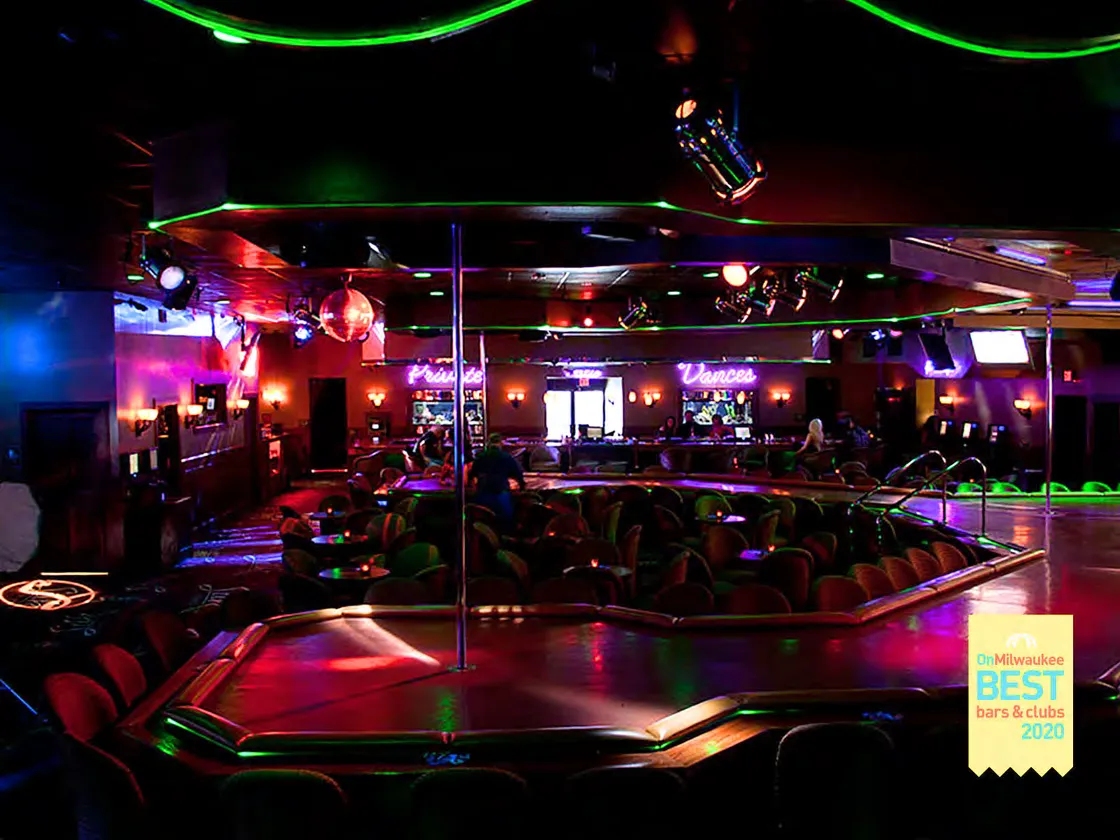
Boards by Lisa Smedley-Calderon — Costume Designer & Visual Development
Raw · Real · Gritty · Emotional · Urban · Unfiltered
“Wrong place, right time.”
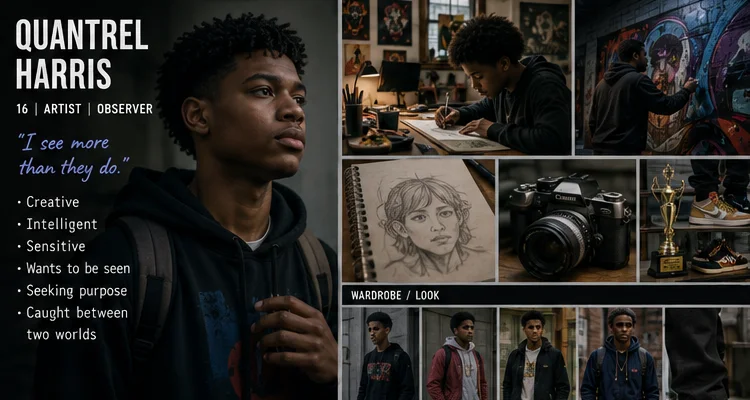
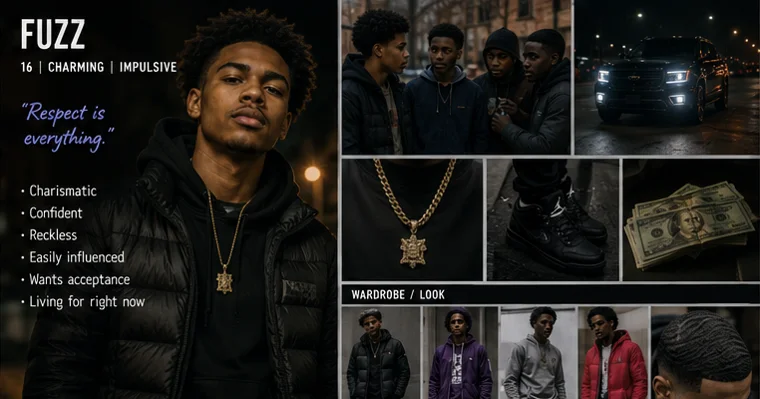
Logline: A gifted teenage graffiti artist accepts a ride he knows he shouldn't—and a wrong-place arrest forces him into a police-mentorship program. On his first day on the job, he discovers the friend who left him to take the fall murdered in an alley.
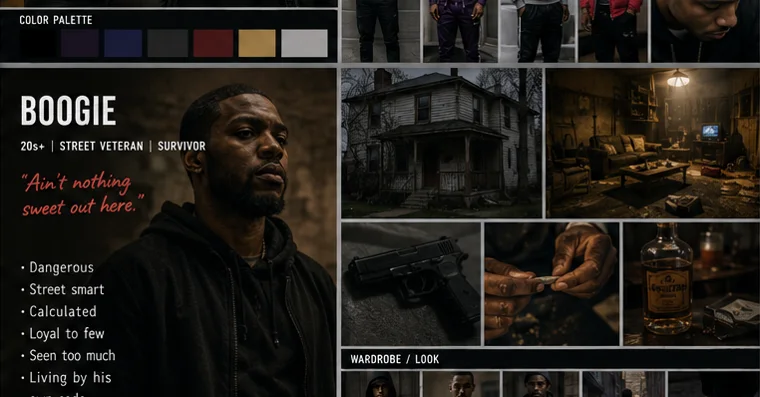
Overnight, low-level crew member Boogie and 16-year-old wheelman Fuzz rob a rival crew and stash the stolen SUV. Next morning, Quantrel skips school to finish a mural under the bridge—signing it DOMINUS SCAPEGOAT—and slips a patrol cop. The city is boiling over Officer Travers killing Calvin Wright, an unarmed teen; Mayor Adams, Chief Peoples, and Deputy DA Kevin Grimes face the cameras while attorney Travis Surtan works the crowd. Quantrel runs into Fuzz joyriding the stolen truck and, against his gut, climbs in. After a corner-store stop, Fuzz rolls a stop sign, panics at the traffic stop, and bolts on foot. Quantrel is a second too late.
Cuffed by the same cop who chased him off his mural, Quantrel can't reach his mother—nurse Yolanda—and calls the father he barely speaks to: photojournalist Quantrel Harris Sr. Detectives lean on him, turning his own tag against him, until Surtan—Sr.'s friend from the '92 L.A. riots—shuts it down. We meet his future minders: burned-out veteran Sadowski, whose mother is entering hospice, and idealistic Kenesha, already at war with her department. Across town, Fuzz admits to Boogie that he lost the truck—and the crew above them, Sterling, Little, and Steve-O, start asking where it went.
Surtan brokers a deal: revive the defunct Police Aide Program and make Quantrel—a famous photojournalist's son—its poster child. Released into a brewing custody fight between his parents, he pleads no contest: 180 days. His first ride-along draws a body-in-an-alley call. He disobeys orders, approaches, and recognizes the shoes. It's Fuzz—beaten, three bullets to the face.
Still reeling from Fuzz's murder, Quantrel fights to keep grief from swallowing him as the fallout ripples through the neighborhood. Kenesha quietly opens her own investigation. Yolanda's unannounced visit to Sr.'s studio reopens old wounds—and DA Stacks hands Kevin a warning that threatens both his future and the Mayor's campaign.
Grief hardens into purpose as Quantrel joins Kenesha's pursuit of the truth; she pushes Detective Bowers to stand up a task force on Fuzz's murder. Newly released body-cam footage of the Calvin Wright shooting detonates across the city, leaving Mayor Adams and Chief Peoples scrambling. As Sadowski's marriage crumbles, the streets erupt when a Chicago crew strikes back at Steve-O's—proof that every debt comes due.
The fight over Quantrel's future turns ugly: in mediation, Sr. is blindsided to learn Yolanda has put his troubled past on the record to win custody. With outrage over Calvin Wright still climbing and her poll numbers sinking, Mayor Adams moves to formally launch the Police Aide Program—over objections from Kenesha and Sadowski, who fear the timing puts vulnerable kids in the crosshairs. The hunt for Fuzz's killer turns toward Boogie.
With the custody battle threatening to break the family apart, Yolanda and Sr. try to find their own way through, without lawyers. Officer Travers is charged in the Calvin Wright case—a milestone that brings the city no peace. As the evidence against Boogie mounts, Quantrel's grief curdles into a hunger for payback that makes him easy prey for Steve-O's influence—and Steve-O forces Kevin toward a choice that could cost him everything.
Kenesha comes home from the hospital with minor injuries and invisible scars; Sadowski, drowning in the loss of his mother and the wreckage of his marriage, urges her to step back before the job takes more than it already has. Yolanda and Sr. wrestle with a line they may have crossed. When Travis Surtan's mass protest for Calvin Wright spirals into fire and chaos, Boogie seizes the cover to make a deadly move on Quantrel—and the city closes in from every side.
With Kenesha sidelined, the task force frays and Quantrel has never felt more exposed. Yolanda and Sr. choose family over the fight and end the custody battle. Buried by grief, Sadowski's drinking lands him on administrative leave; when Chief Peoples collapses, Assistant Chief Tanya Anderson inherits a department in crisis. And Kevin forces DA Stacks out of the mayoral race—consolidating a kind of power that's beginning to cast a long shadow.
As the city exhales, the season's hidden alliances reach their breaking point and old scores come due. Kenesha cracks the Fuzz case open at last, leading to an arrest—and a face from the past waits on the other side of the bars. The Wright family receives a settlement: a measure of justice, if not peace. And as the Harris family finally gathers to celebrate Yolanda's birthday, a single tragic misperception turns the happiest night of the season into the one that changes everything.
The creative team below has committed to the project in principle. Final attachments are subject to signed agreements at greenlight.
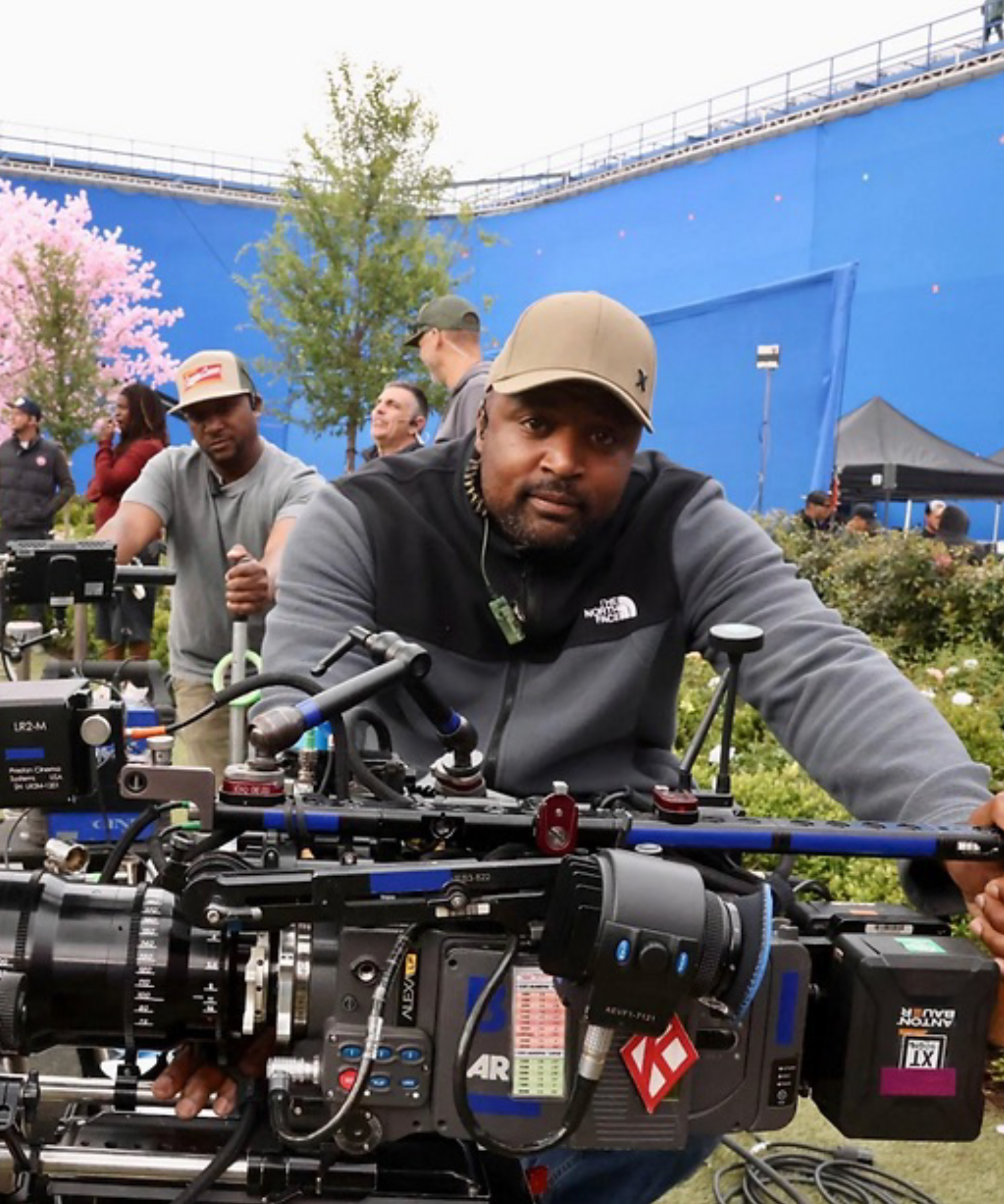
Writer / Executive Producer / Showrunner
Calvin Ashanti Greer is the creator and showrunner of Misperception — his first project as a showrunner, building the series from original concept through pilot production. With a background spanning producing, cinematography, camera operation, photography, and VFX data wrangling on projects for Disney+, HBO, and Netflix, Calvin brings a rare end-to-end understanding of the filmmaking process to his creative leadership.
His original projects explore themes of identity, resilience, and culture — amplifying stories often left untold. Calvin's hands-on production experience and his eye as a cinematographer and photographer inform every creative decision on Misperception, from the grounded-but-cinematic visual language to the technical rigor of the production plan.
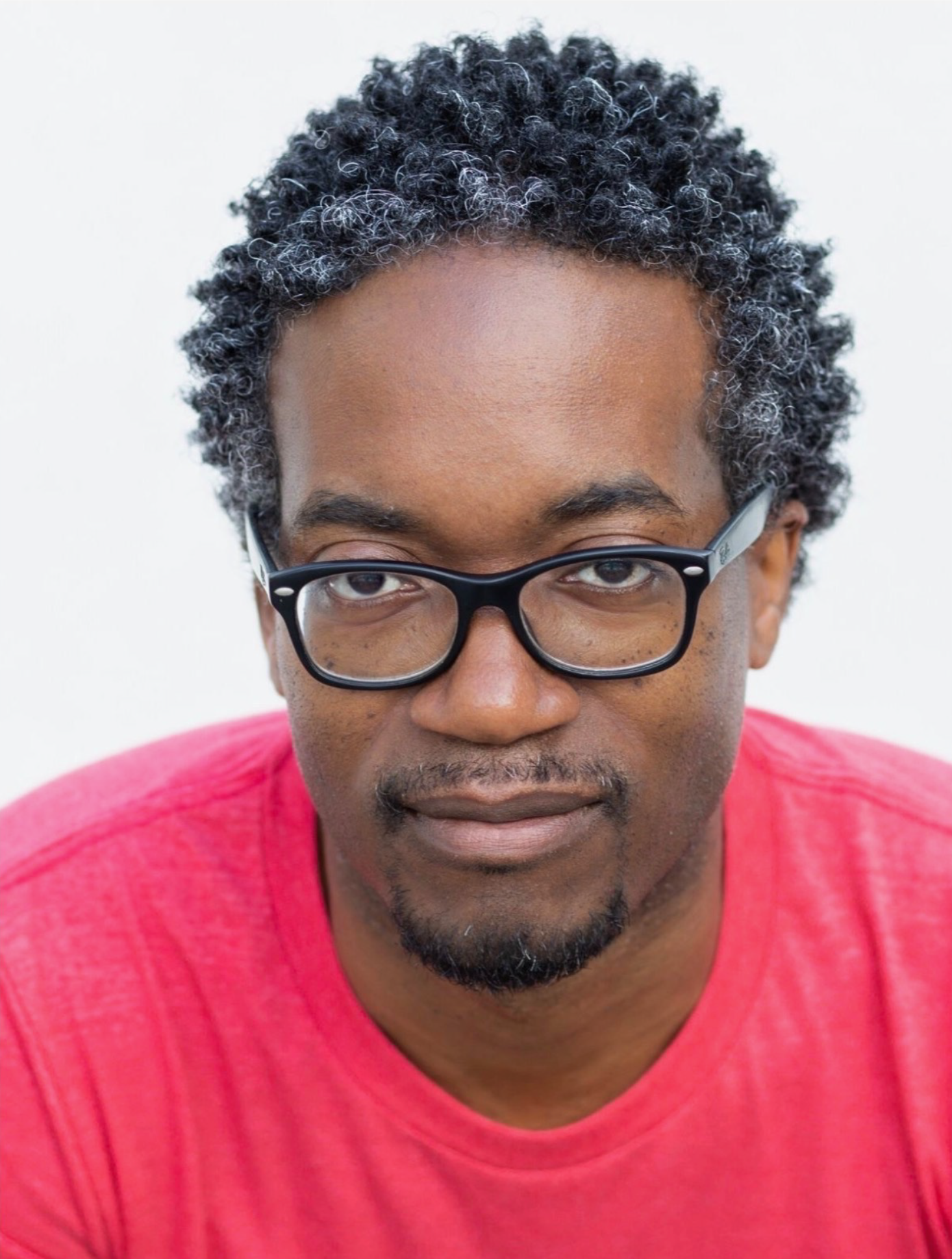
Writer / Executive Producer
Norman D. Golden II joins Misperception as co-writer and Executive Producer. Norman made his Hollywood debut opposite Burt Reynolds in Universal Pictures' Cop and a Half, capturing audiences with his natural charm and comedic timing — a performance that placed him among the most recognizable young talents of the 1990s.
After time pursuing education and creative development, Norman reemerged with a focus on writing and producing, dedicated to authentic storytelling that bridges entertainment with cultural impact. On Misperception, his lived experience as a former child performer in Hollywood — and as a writer committed to stories about underrepresented communities — shapes the pilot's emotional core.
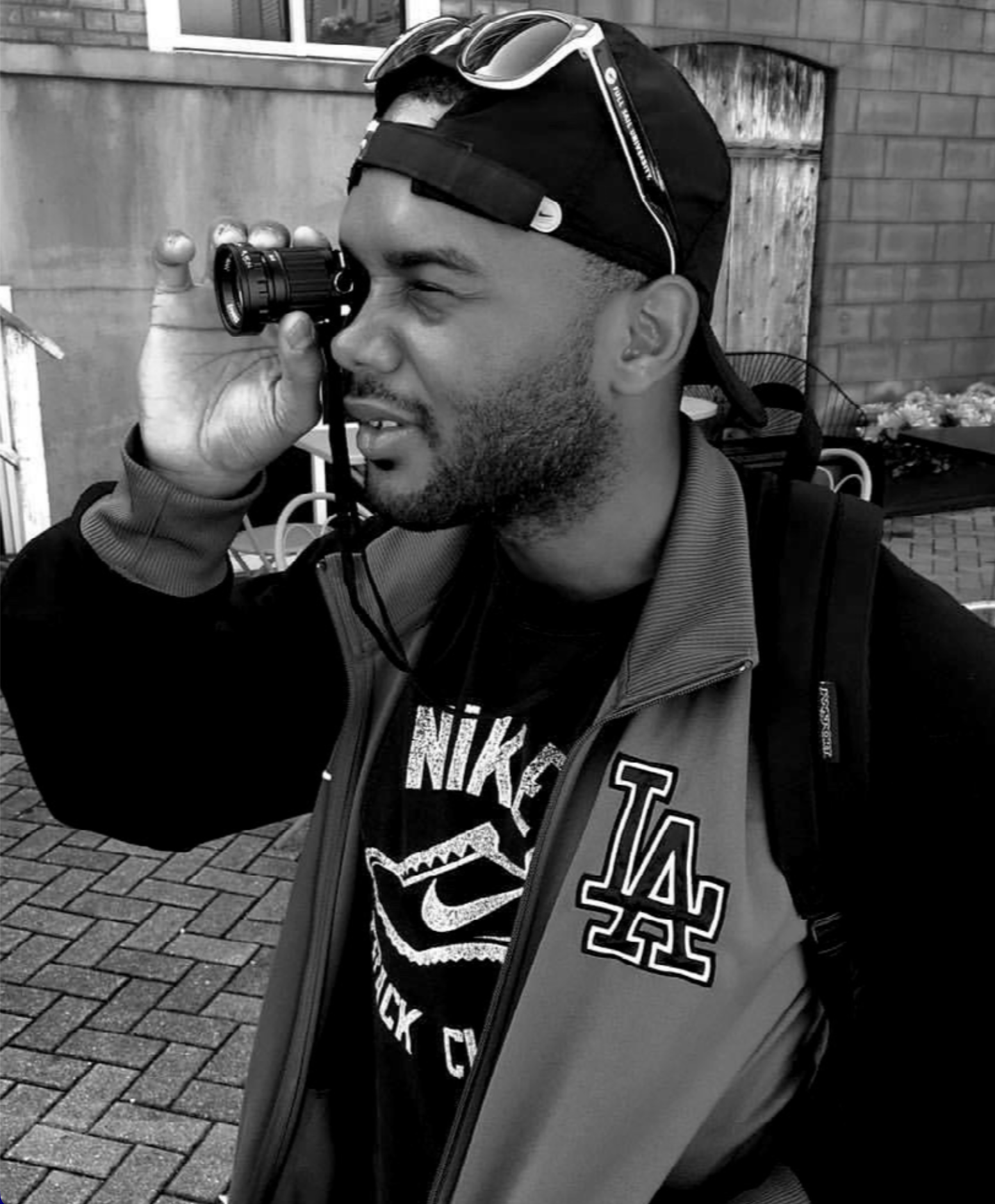
Writer / Executive Producer
Felix Crumsby serves as co-writer and Executive Producer on Misperception. Born in Decatur, Georgia and raised by his grandparents, Felix originally planned to pursue law before a late-night viewing of David Fincher's The Social Network redirected him toward filmmaking. He earned a BA in English Literature and an MFA in Film Production from Full Sail University.
Felix's work is inspired by cinematic icons including Spike Lee, Ava DuVernay, John Singleton, Martin Scorsese, and Christopher Nolan. He has written and directed multiple character-focused films, and brings that director's sensibility for honest performance and character collaboration to the Misperception writers' room.
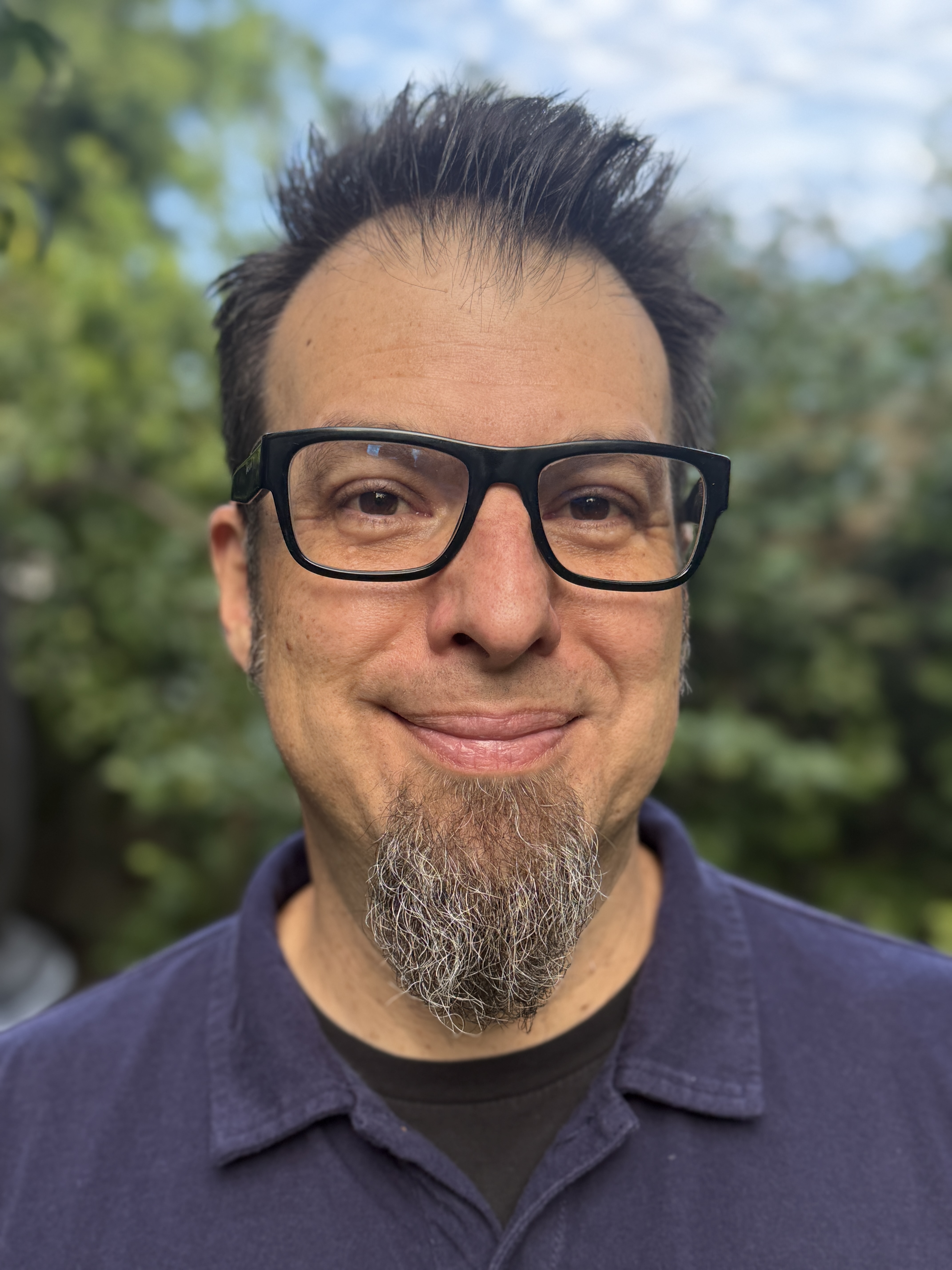
Executive Producer
Mike May is a veteran Visual Effects Producer with over two decades of experience shaping some of the most iconic films and television series of the last 20 years. With a background in computer science from Cal Poly, San Luis Obispo, Mike bridges technical expertise with creative storytelling, a rare combination that has made him a sought-after leader in the industry.
Mike's credits span major studios including Marvel, Sony Pictures Imageworks, Paramount+, and Netflix. He has contributed to blockbuster features such as Thor, Captain America: The First Avenger, The Avengers, Spider-Man: Homecoming, and Guardians of the Galaxy, as well as acclaimed series including The Falcon and the Winter Soldier, Halo, Locke & Key, and The Boys.
His work has been recognized with an Emmy nomination for The Falcon and the Winter Soldier (Outstanding Special Visual Effects, 2021) and a Creative Arts Award for Guardians of the Galaxy from the International 3D & Advanced Imaging Society. Beyond VFX, Mike is also a software developer, building custom tools and automated workflows that streamline production.
The creative team below has committed to the project in principle. Final attachments are subject to signed agreements at greenlight.
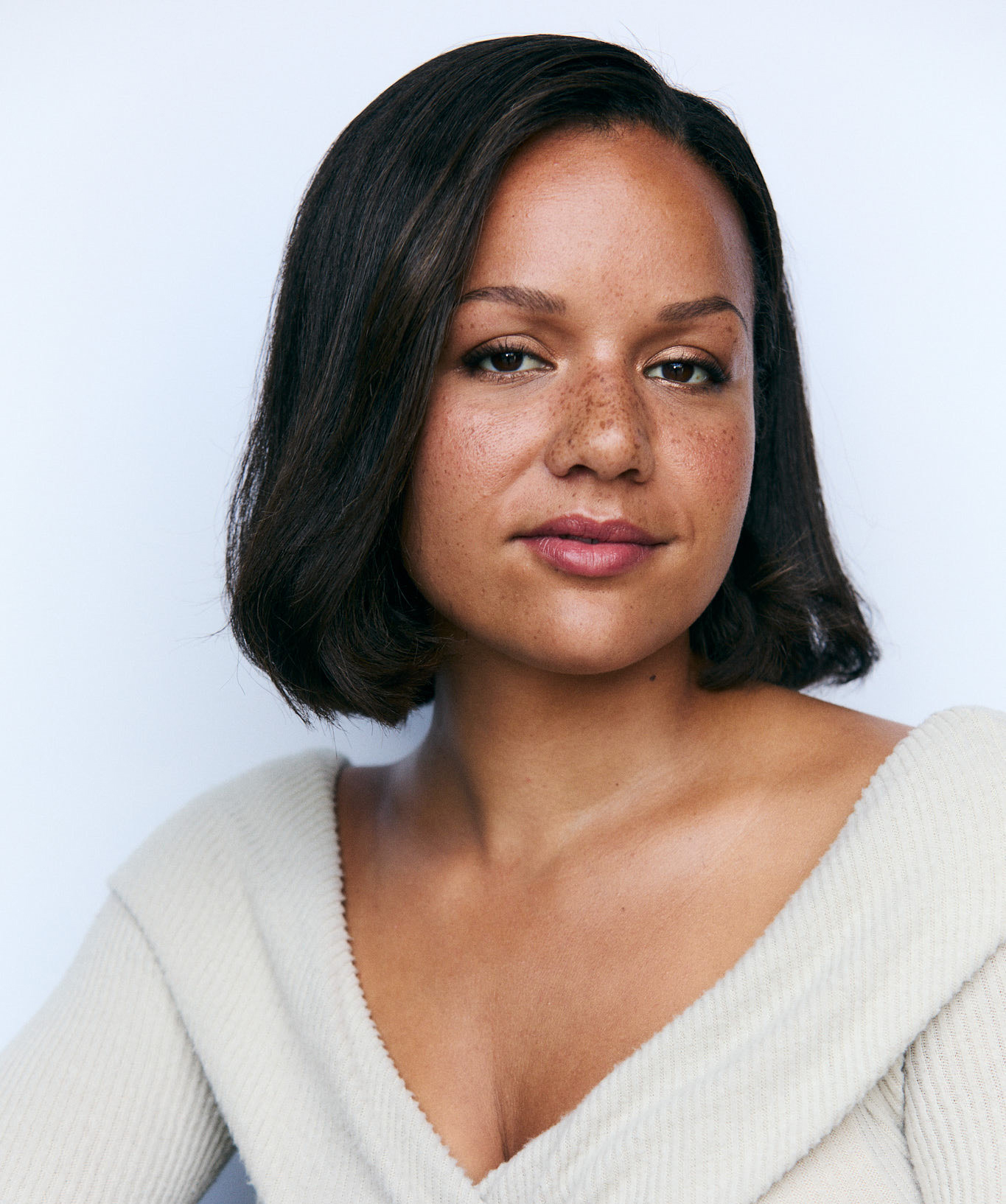
Director
Alyssa Goss is a native of Ann Arbor, Michigan, who studied at Spelman College and abroad in Munich, Germany — an international perspective that continues to shape her global, character-driven storytelling. Based in Los Angeles, her work as an actor expanded into directing and development, and in 2016 she was selected for the ABC Showcase, returning the following year to assist direct the 2017 ABC Showcase.
As a director and creative lead, Alyssa has helmed pilot presentations that secured financing, produced original projects, and writes across multiple formats. Her work is grounded in nuanced character studies, emotional realism, and a balance of humor and gravity.
As an actor, she is known for her NAACP Award–winning portrayal of Alicia Etheredge-Brown in the BET miniseries The Bobby Brown Story, four seasons on Tyler Perry's BRUH, NBC's Chicago Med, and the feature Breakwater opposite Dermot Mulroney.
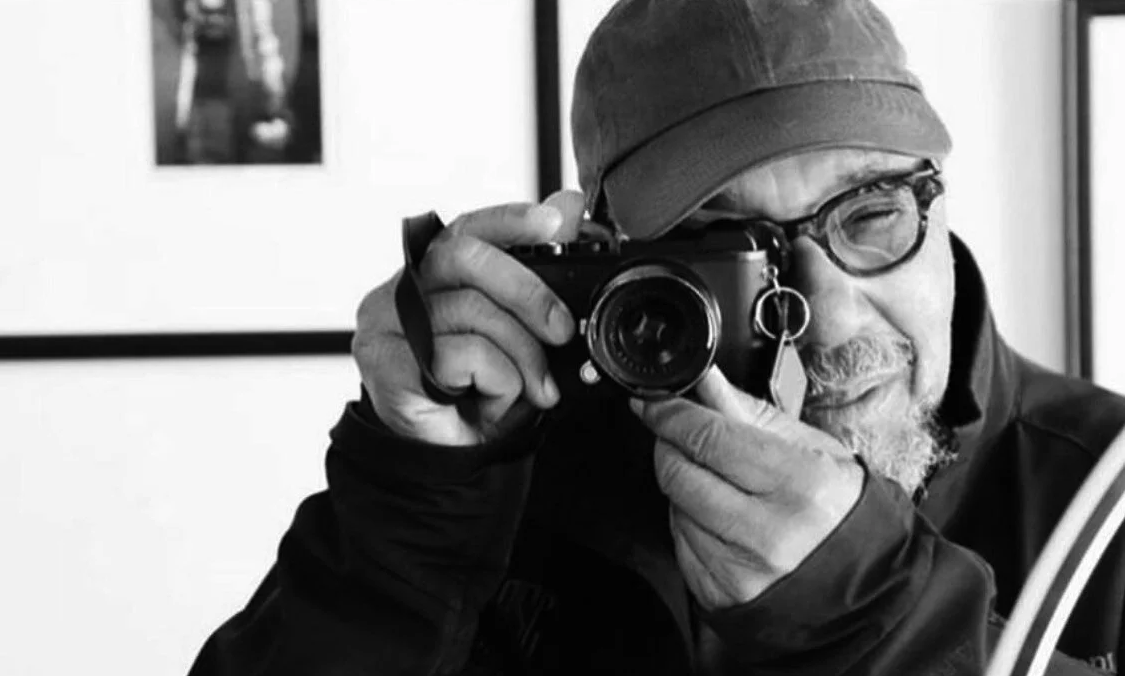
Director of Photography
John Simmons, ASC is an Emmy Award–winning cinematographer, photographer, and professor born and raised in Chicago. A graduate of USC's School of Cinematic Arts (1976), he has built a career spanning decades of narrative and documentary work defined by visual storytelling rooted in character, culture, and community.
A member of the American Society of Cinematographers, Simmons is also a published advocate for industry inclusion, contributing to ASC Magazine on hiring diverse and inclusive crews. His fine art photography — spanning from 1967 to the present — has been exhibited through the Peter Fetterman Gallery.
As both a working cinematographer and educator, Simmons brings a rare combination of artistic vision, technical mastery, and mentorship to every project he touches.
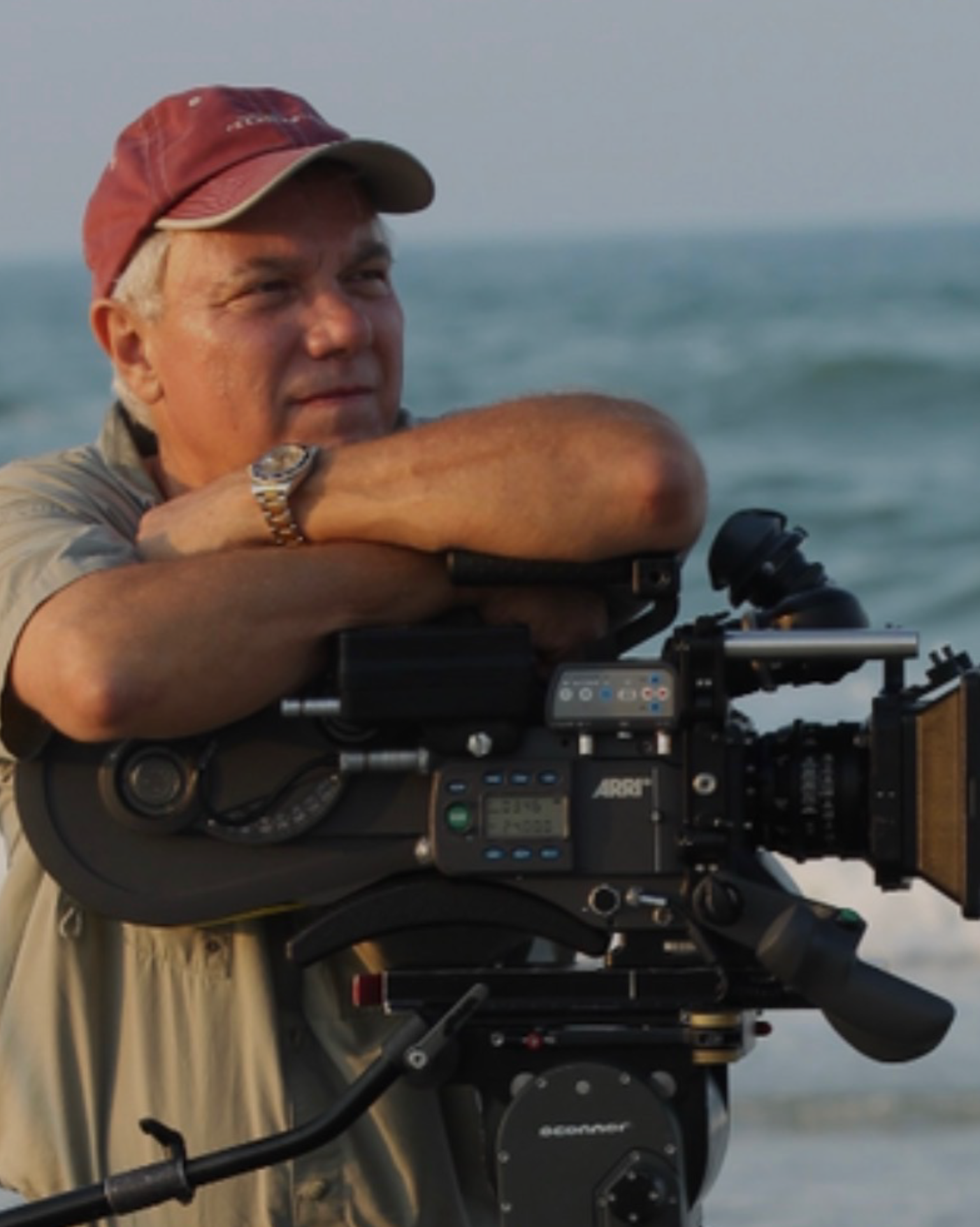
Director of Photography
James Neihouse, ASC is a veteran cinematographer with over 46 years of experience in film and video production, best known as the Director of Photography for NASA's IMAX space productions — a role he has held since 1988. He has trained more than 150 astronauts and cosmonauts to operate IMAX cameras in space, earning the prestigious Silver Snoopy Award for outstanding contributions to human spaceflight mission safety and success.
His DP credits include A Beautiful Planet (Walt Disney Studios/IMAX), Hubble 3D (Warner Brothers), Space Station 3D, Michael Jordan to the Max, and The Eruption of Mount St. Helens — which earned an Academy Award nomination for Best Short Documentary. He is a two-time recipient of the Giant Screen Cinema Association's Outstanding Cinematography award and the Kodak Vision Award.
A member of both the ASC and the Academy of Motion Picture Arts and Sciences, Neihouse is also a U.S. State Department American Film Showcase Envoy, FAA-licensed pilot, and certified scuba instructor — bringing a fearless, adventure-driven approach to every frame.
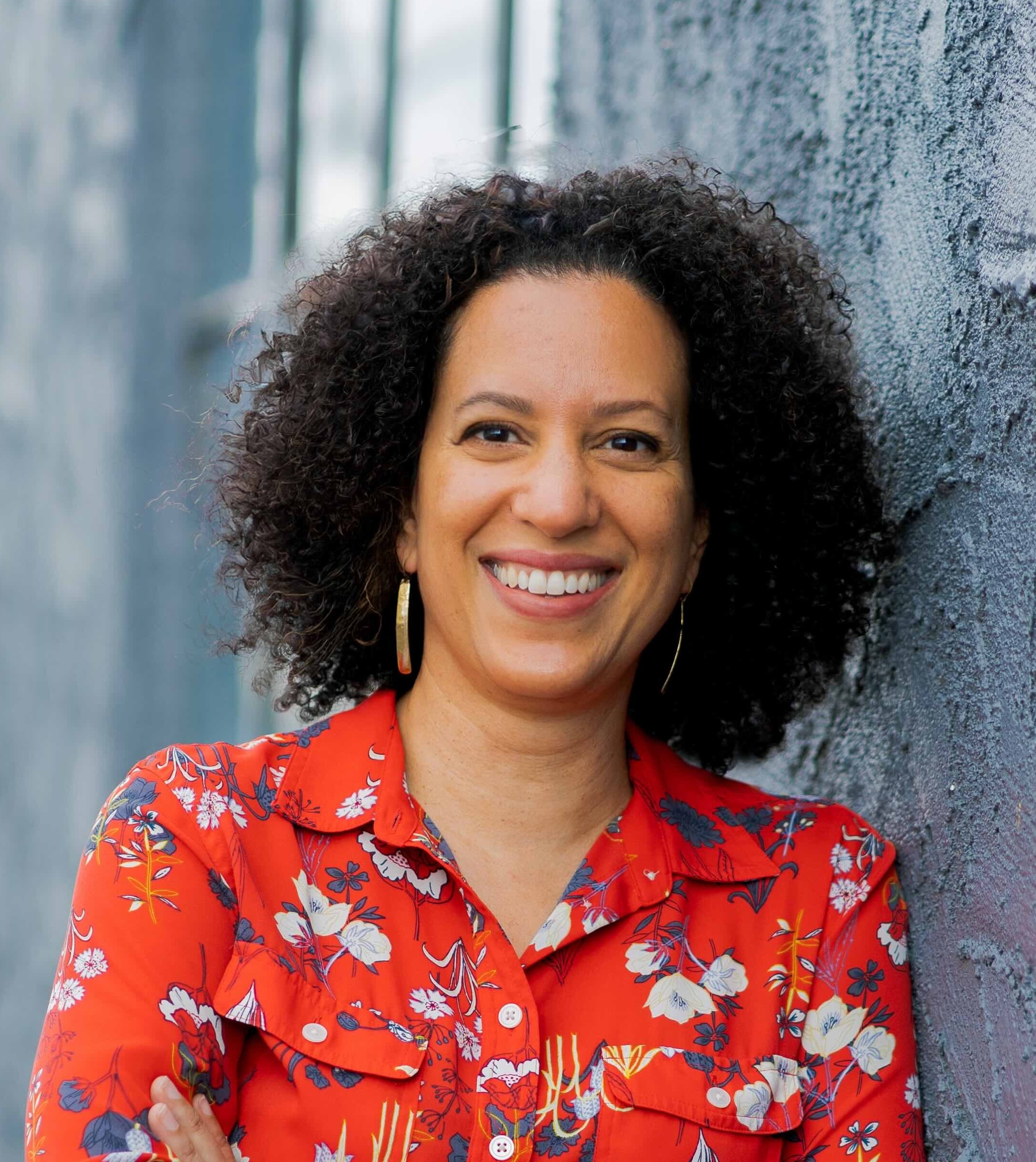
Production Designer
Aiyana Trotter is an award-winning Production Designer with over 20 years of experience crafting bold, character-driven visual worlds for television and film. She is known for delivering story-defining environments that elevate performance, sharpen tone, and balance creative ambition with production realities.
Her television credits include the Emmy Award–winning Black-ish, The Wonder Years, and the pilot for Abbott Elementary, along with LA to Vegas, Poppa's House, and Netflix's Family Reunion. Her work has earned five Art Directors Guild nominations and one win for Excellence in Production Design.
In film, she designed the Sundance Special Grand Jury Prize–winning Advantageous and the acclaimed drama Mississippi Damned. With a background in environmental and theatrical design, Aiyana brings architectural rigor and visual clarity to every production.

Costume Designer
Lisa Smedley-Calderon is a Costume Designer and Fashion Stylist with over fifteen years of experience in the entertainment industry. She moved to Los Angeles at 18 to pursue fashion, building a career that spans music, film, television, and commercial styling — from legendary music artists on tour to top athletes and high-profile clients on the red carpet.
Her credits include work as Assistant Costume Designer on Judas and the Black Messiah, along with multiple award-winning productions across contemporary and period genres. She has styled for award shows, music videos, tours, and commercial campaigns, bringing a sharp editorial eye to every project.
A member of the Costume Designers Guild, Black Design Collective, and the International Society of Black Costume Designers, Lisa is also a Forbes Black member, a featured speaker at the 12th Annual Inclusion Conference, and a dedicated mentor to emerging costume designers and wardrobe stylists.
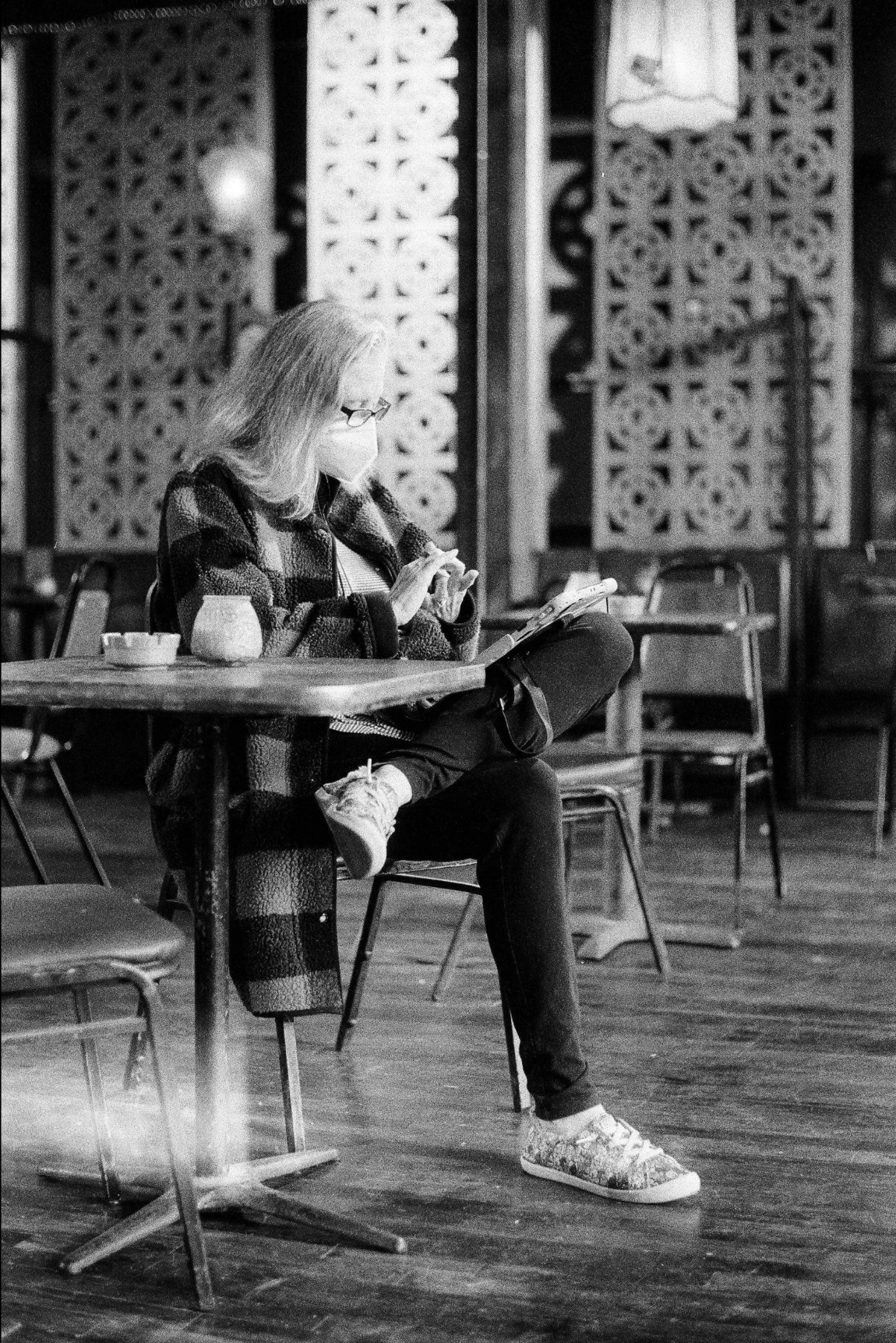
Script Supervisor
Lisa Blancher is a veteran Script Supervisor with 38 credits spanning major studio features, prestige cable drama, and Marvel productions. Known for her precision, continuity mastery, and seamless collaboration with directors and editors, she is the kind of steady, trusted presence every production depends on.
Her feature credits include Captain America: Brave New World, Bad Boys: Ride or Die, Red One, and Harold and the Purple Crayon. On television, she has worked on Marvel's Ironheart, the acclaimed P-Valley, Lovecraft Country, The Walking Dead, Saints & Sinners, House of Payne, and Tyler Perry's Assisted Living (27 episodes).
Her range — from blockbuster action to intimate character drama — reflects a professional who brings equal rigor and care to every frame.
calvin@movementpicturesllc.com
For production inquiries, representation discussions, or press requests.
Secondary: contact@misperception.tv
Interested in learning more about Misperception?
Request Full Materials